
Lead capture strategies help businesses turn website visitors into qualified prospects by encouraging them to share their contact information in exchange for value. While attracting traffic is an important part of lead generation, converting that traffic into leads is what drives measurable business growth.
An effective lead generation strategy combines optimized landing pages, compelling offers, well-designed forms, and personalized communication to move prospects through the conversion funnel. Whether your focus is on B2C or B2B lead generation, the right approach can enhance lead quality, boost conversion rates, and create more opportunities for your sales team.
What Are Lead Capture Strategies?
Lead capture strategies are techniques used to collect information from potential customers, such as their name, email address, or phone number, so businesses can continue the conversation beyond a single website visit. These strategies encourage visitors to take actions like downloading a resource, requesting a demo, subscribing to a newsletter, or booking a consultation.
While lead generation attracts potential customers through channels like search engines, social media, paid advertising, and content marketing, lead capture focuses on converting those visitors into identifiable leads.
A successful lead capture process prioritizes user experience by offering genuine value before asking for contact information. Useful resources, interactive tools, or personalized recommendations help build trust and encourage visitors to share their details. Businesses that invest in effective lead capture strategies generate higher-quality leads, making it easier to nurture prospects and move them through the conversion funnel.
Why Lead Capture Matters in the Conversion Funnel
Every visitor enters the conversion funnel at a different stage, and effective lead capture guides them toward the next step with the right message at the right time.
From Visitor to Customer
Not every website visitor is ready to make a purchase immediately. Many people need additional information before making a decision. Lead capture creates opportunities to stay connected through email campaigns, personalized offers, or educational content until they are ready to convert.
For example, someone reading a blog post may not request a product demo on their first visit. However, they may download an industry guide or subscribe to your newsletter, giving your business another opportunity to build trust over time.
Improving Lead Quality Instead of Quantity
Generating thousands of website visitors has little value if those visitors never become customers. High-performing lead capture strategies focus on collecting qualified leads who are genuinely interested in your solution.
Using targeted landing pages, relevant lead magnets, and well-timed calls to action helps attract prospects with stronger purchase intent. As a result, marketing teams spend less time chasing low-quality leads, while sales teams receive contacts that are more likely to convert.
Reducing Customer Acquisition Cost
Acquiring new customers often requires significant investment in SEO, advertising, and content marketing. When visitors leave without taking action, that investment delivers little return.
Optimizing your lead capture process increases the percentage of visitors who become leads, allowing your existing marketing efforts to generate better results. Even small improvements in conversion rates can reduce customer acquisition costs while increasing overall marketing efficiency.
10 Lead Capture Strategies That Deliver Better Results
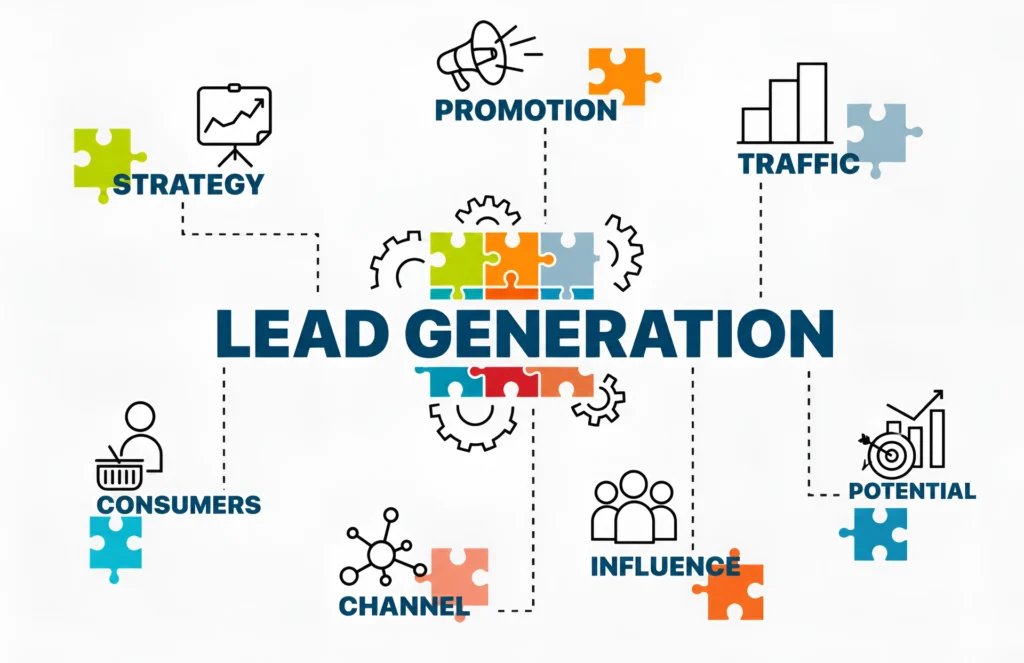
The following lead capture strategies can help you attract qualified leads, improve conversions, and create a smoother customer journey.
1. Create High-Converting Landing Pages
A landing page is often the first page visitors see after clicking an ad, email, or search result. It should clearly communicate its value with a strong headline, clear messaging, and a prominent call-to-action above the fold.
Keep the page fast, mobile-friendly, and trustworthy by adding customer testimonials, security badges, or privacy assurances. These elements help improve user experience and increase conversions.
2. Simplify Lead Capture Forms
Keep your lead capture forms simple to reduce friction and encourage more submissions. Ask only for essential details, such as a name and email address, and collect additional information later if needed.
If your form requires more fields, use a multi-step layout with a progress indicator to make it feel less overwhelming. Adding a brief privacy statement and avoiding unnecessary mandatory fields also helps build trust and improve completion rates.
3. Offer Valuable Lead Magnets
People are more likely to share their contact information when they receive something valuable in return. Offer lead magnets that match their interests, such as eBooks, checklists, templates, whitepapers, webinars, free trials, or ROI calculators. Relevant resources encourage more sign-ups while helping you attract qualified leads.
Focus on solving one specific problem instead of offering generic content. Pair each lead magnet with a dedicated landing page and a clear call-to-action to improve relevance, build trust, and increase conversion rates.
4. Use Exit-Intent Popups
Exit-intent popups give visitors one final reason to stay before they leave your website. Since they appear only when a user is about to exit the page, they are less intrusive than traditional pop-ups and can help recover potential leads.
Offer something relevant, such as a discount, free template, webinar, or downloadable guide. Keep the message concise, include one compelling CTA, and make it easy for visitors to respond without filling out a lengthy form.
5. Add Chatbots and Live Chat
Chatbots and live chat help businesses engage visitors in real time, answer common questions, and guide them toward the next step. They provide instant support, reduce response time, and make it easier for visitors to request information without filling out lengthy forms.
For B2B lead generation, chatbots can qualify leads by asking a few simple questions before connecting them with the sales team or scheduling a product demo. This helps businesses respond faster while improving the overall customer experience.
6. Optimize CTAs
A strong call-to-action encourages visitors to take the next step in the conversion funnel. Instead of generic buttons like Submit, use action-focused phrases such as Download the Guide, Start Your Free Trial, or Book a Demo to clearly communicate the value of clicking.
Place CTAs where they naturally fit within the content, use contrasting button colors to improve visibility, and ensure they are easy to find on both desktop and mobile devices. Testing different CTA placements and wording can further improve conversion rates.
7. Leverage Social Lead Generation
Social platforms provide additional opportunities to capture qualified leads. Tools like LinkedIn Lead Gen Forms and Facebook Lead Ads allow users to submit their details without leaving the platform, reducing friction and improving conversion rates.
Share valuable content, promote relevant lead magnets, and target the right audience based on their interests and behavior. Consistently testing your campaigns and optimizing audience targeting can help generate higher-quality leads while strengthening your overall lead generation strategy.
8. Retarget High-Intent Visitors
Many visitors leave without converting, even when they show strong buying intent. Retargeting campaigns help bring them back by displaying relevant ads based on the pages they previously visited, keeping your brand top of mind after they leave your website.
Focus on users who viewed pricing pages, product demos, or case studies, as they are often closer to making a decision. Personalized offers, limited-time discounts, or reminders can encourage these prospects to return, complete the desired action, and move further through the conversion funnel.
9. Use Email Capture Throughout the Website
Don’t rely on a single form to capture leads. Add email signup opportunities across your website, including blog posts, resource pages, the footer, and sticky banners. This increases the chances of engaging visitors at different stages of their journey.
Offer a clear benefit for subscribing, such as exclusive insights, industry updates, or helpful resources. Sending valuable and consistent emails also helps build trust, nurture relationships, and create a steady pipeline of qualified leads over time.
10. Test and Optimize Continuously
Even well-designed lead capture strategies need regular testing to maintain strong performance. Analyze user behavior to identify what encourages conversions and where visitors abandon the process.
Use A/B testing to compare headlines, forms, CTAs, and landing pages. Combine these insights with heatmaps, session recordings, and analytics to make data-driven improvements that continuously increase conversion rates.
Lead Capture Mistakes to Avoid
- Asking for Too Much Information: Keep forms short by requesting only essential details first. Collect additional information later if needed.
- Weak Call-to-Action: Use clear, action-focused CTAs that tell visitors exactly what they’ll gain after clicking.
- Slow Landing Pages: Improve page speed by optimizing images, reducing unnecessary scripts, and ensuring fast load times.
- Poor Mobile Experience: Make forms easy to complete on mobile with responsive layouts, readable text, and tap-friendly buttons.
- Ignoring Follow-Up Emails: Send a welcome email or relevant resource soon after form submission to keep leads engaged.
- Not Measuring Performance: Track key metrics like conversion rate, form completion rate, and qualified leads to identify areas for improvement.
Lead Capture Strategies for B2B Businesses
B2B lead generation often involves longer buying cycles and multiple decision-makers, so businesses need to focus on building trust before making a sales pitch. Educational content and personalized engagement usually produce better results than promotional offers.
Whitepapers, case studies, product demos, and webinars are effective lead magnets because they help potential buyers evaluate solutions before speaking with sales. Combining these resources with LinkedIn campaigns and account-based marketing (ABM) helps attract decision-makers who are more likely to convert.
Integrating your lead capture forms with a CRM also improves efficiency by automatically organizing leads, tracking interactions, and helping sales teams follow up at the right time.
How to Measure Lead Capture Success

Tracking performance helps you understand whether your lead generation strategy is producing qualified leads and supporting business growth. Instead of focusing only on the number of leads, measure the quality and effectiveness of your campaigns.
Key metrics to monitor include:
- Conversion Rate
- Cost Per Lead (CPL)
- Qualified Leads
- Form Completion Rate
- Bounce Rate
- Lead-to-Customer Rate
- Engagement Rate
- Revenue Per Lead
Review these metrics regularly and use the insights to optimize landing pages, forms, CTAs, and lead magnets for better results.
Frequently Asked Questions
Lead capture strategies are valuable for SaaS, eCommerce, healthcare, education, finance, real estate, and professional services. Any business that relies on generating inquiries or sales can improve conversions with an effective lead capture process.
Review your lead capture forms every few months or after major marketing campaigns. Regular testing helps identify opportunities to improve user experience and increase form completion rates.
Not necessarily. Place lead capture forms on high-intent pages such as landing pages, blog posts, pricing pages, and resource pages where visitors are more likely to take action.
Yes. Businesses can capture qualified leads through organic search, content marketing, email marketing, and social media. Paid advertising can increase traffic, but it isn’t required for an effective lead capture strategy.
The timeline depends on your website traffic and testing frequency. Small improvements, such as optimizing forms or CTAs, can show results within a few weeks, while larger optimization efforts may take several months to produce consistent gains.