
In today’s competitive job market, technical expertise alone is often not enough to stand out. Employers increasingly look for candidates who can communicate effectively, solve problems, collaborate with teams, and adapt to changing workplace demands. Earning a soft skill certificate is a practical way to demonstrate these abilities while showing a commitment to continuous learning.
Whether you’re a student preparing for your first job, a professional seeking career growth, or someone planning to switch careers, a recognized certificate can strengthen your resume and professional profile. This guide explains what a soft skill certificate is, why it matters, the skills it covers, and how to choose the right certification for your career goals.
What Is a Soft Skill Certificate?
A soft skill certificate is a credential awarded after completing training or assessments in workplace skills such as communication, teamwork, leadership, problem-solving, and emotional intelligence. Unlike technical certifications that focus on job-specific knowledge, soft skills certifications validate interpersonal and professional abilities that are valuable across nearly every industry.
These certificates are commonly offered through online learning platforms, universities, and professional training organizations. Many providers issue digital certificates or shareable badges that can be added to resumes, LinkedIn profiles, and online portfolios.
Why Is a Soft Skill Certificate Important?
A professional soft skills certificate can strengthen your career profile by highlighting abilities that employers consistently rank among the most valuable in today’s workplace. While experience remains essential, certifications provide additional evidence that you’ve invested in developing the interpersonal skills needed to succeed in professional environments.
Improves Employability
Recruiters often evaluate candidates based on more than technical qualifications. Strong communication, teamwork, adaptability, and problem-solving skills can influence hiring decisions, especially for customer-facing, leadership, and collaborative roles.
A soft skill certificate helps demonstrate that you understand these workplace expectations and have completed structured training to improve them.
Demonstrates Continuous Learning
Employers appreciate professionals who actively expand their knowledge and stay committed to self-improvement. Completing a certification shows initiative, discipline, and a willingness to learn new skills throughout your career.
This can be particularly valuable for students, recent graduates, and professionals with limited work experience who want to strengthen their resumes.
Supports Career Growth
Soft skills become increasingly important as professionals move into senior or management positions. Leadership, communication, conflict resolution, and decision-making often determine success when managing projects, leading teams, or working with clients.
A recognized certification can support internal promotions by showing your commitment to developing these essential workplace competencies.
Strengthens Workplace Performance
Strong interpersonal skills contribute to better collaboration, increased productivity, and healthier work relationships. Employees who communicate clearly, manage their time effectively, and adapt to changing situations are often better equipped to handle workplace challenges.
Completing a soft skills training certificate program allows learners to practice these abilities through real-world scenarios, case studies, and practical exercises, making them more confident in professional settings.
What Skills Are Usually Covered?
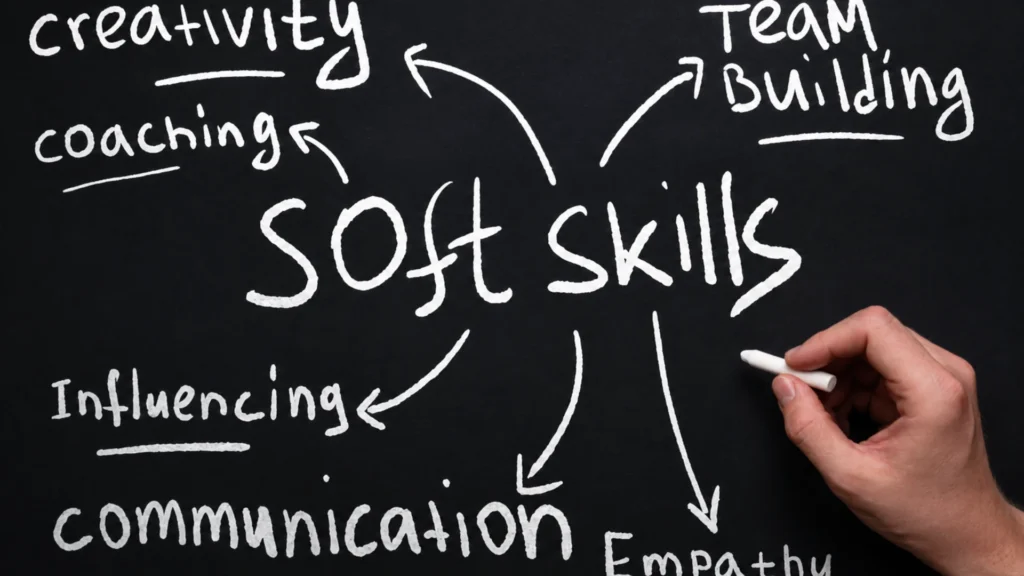
A soft skill certificate program focuses on workplace competencies that help individuals collaborate effectively, communicate clearly, and adapt to professional challenges. While course content varies by provider, most certifications cover a combination of the following essential skills.
1. Communication
Effective communication is one of the most sought-after workplace skills. Learners develop verbal, written, and nonverbal communication techniques, along with active listening skills that improve collaboration and reduce misunderstandings.
2. Leadership
Leadership training goes beyond managing people. It teaches learners how to motivate teams, delegate responsibilities, make informed decisions, and lead with confidence, even without holding a formal management position.
3. Teamwork and Collaboration
Most workplaces rely on cross-functional teams. Soft skills courses emphasize collaboration, accountability, and building positive working relationships to achieve shared goals.
4. Problem-Solving and Critical Thinking
Professionals regularly encounter challenges that require logical analysis and creative solutions. Certification programs teach structured approaches to identifying problems, evaluating options, and making sound decisions under pressure.
5. Emotional Intelligence
Understanding emotions, managing stress, and responding appropriately to others are critical workplace skills. Emotional intelligence helps professionals build trust, resolve conflicts, and communicate with empathy.
6. Time Management
Managing priorities effectively improves productivity and reduces workplace stress. Learners discover techniques for planning tasks, meeting deadlines, and balancing multiple responsibilities.
7. Adaptability
Modern workplaces evolve quickly due to changing technologies and business needs. Adaptability training helps professionals embrace change, remain flexible, and continue performing effectively in new situations.
8. Conflict Resolution
Disagreements are inevitable in professional environments. Courses teach practical strategies for resolving conflicts respectfully while maintaining positive workplace relationships.
9. Decision-Making
Strong decision-making involves gathering relevant information, evaluating alternatives, and choosing solutions that align with organizational objectives. These skills become increasingly valuable as professionals take on greater responsibilities.
10. Presentation Skills
Whether presenting ideas to clients or sharing updates with colleagues, confident presentation skills improve professional credibility. Many certification programs include techniques for public speaking, storytelling, and audience engagement.
11. Professional Ethics
Ethical behavior builds trust within organizations. Learners gain a better understanding of workplace integrity, accountability, confidentiality, and responsible decision-making.
Together, these competencies prepare individuals to perform effectively across a wide range of industries, making a professional soft skills certificate valuable regardless of career path.
Best Soft Skills Certificate Courses Online
Choosing the right certification depends on your career goals, budget, preferred learning style, and whether you need a verified credential.
The following soft skills certificate courses online are widely recognized for their quality, flexibility, and practical learning experience.
| Platform | Certificate Available | Free/Paid | Best For |
| Coursera | Yes Available | Both | Professionals seeking university-backed courses |
| LinkedIn Learning | Yes Available | Paid | Career development and workplace skills |
| Alison | Yes Available | Free | Beginners looking for accessible learning |
| FutureLearn | Yes Available | Both | Students and lifelong learners |
| Udemy | Yes Available | Paid | Affordable, self-paced learning |
| edX | Yes Available | Both | University-level professional education |
Coursera
Coursera partners with universities and global organizations to offer professional development courses. Many programs include graded assignments, peer-reviewed activities, and verified certificates that can be added to LinkedIn or resumes.
LinkedIn Learning
LinkedIn Learning offers short, practical courses taught by industry experts. Certificates automatically integrate with LinkedIn profiles, making it convenient for professionals to showcase completed training.
Alison
Alison provides a wide range of soft skills certification-free courses covering communication, leadership, customer service, and workplace effectiveness. Learners can study at their own pace, with optional paid certificates available after completion.
FutureLearn
FutureLearn collaborates with universities and educational institutions to deliver structured online courses. Many programs include discussion activities that encourage collaborative learning and real-world application.
Udemy
Udemy offers thousands of affordable courses focused on communication, leadership, emotional intelligence, and productivity. Most courses provide lifetime access, allowing learners to revisit the material whenever needed.
edX
edX features courses from leading universities and institutions around the world. Learners can often audit courses for free and choose to purchase a verified certificate if they want official recognition.
Can You Get a Soft Skills Certification for Free?
Yes. Several reputable learning platforms offer free soft skills courses, although not all include a free verified certificate.
Many providers allow learners to access course materials at no cost through an audit option, while a fee may be required to receive an official certificate. Others offer completely free learning but charge only if you want a printed or verified credential.
When exploring soft skills certification free options, pay attention to what is included before enrolling.
Free Course vs. Free Certificate
A free course allows you to complete the learning content without paying.
A free certificate means you also receive an official certificate after completing the course without additional charges.
The two terms are often confused, so it’s important to read the course details carefully.
Audit vs. Verified Certificate
Many university-backed platforms offer an audit option that provides access to lectures and learning materials but does not include graded assessments or a certificate.
A verified certificate typically requires payment and confirms that the learner completed the course requirements.
If your goal is to strengthen your resume or LinkedIn profile, a verified certificate may provide greater credibility.
What to Check Before Enrolling
Before choosing a soft skills training certificate, consider the following:
- Is the provider well recognized?
- Does the certificate include verification?
- Are assessments or practical projects included?
- Can the certificate be shared on LinkedIn?
- Does the course teach current workplace skills?
- Is the learning self-paced or instructor-led?
Taking a few minutes to compare these factors can help you select a course that aligns with your career goals and provides long-term value.
How Employers View Professional Soft Skills Certificates
A professional soft skills certificate can enhance your job application by demonstrating initiative and a commitment to personal growth. While employers generally prioritize relevant experience and technical expertise, many also value candidates who invest in developing workplace skills such as communication, leadership, and teamwork.
Rather than replacing professional experience, a certificate serves as supporting evidence that you have taken steps to strengthen the interpersonal skills needed to succeed in modern workplaces.
Enhances Your Resume
Including a soft skill certificate on your resume can help showcase your commitment to continuous learning. It signals to recruiters that you’ve completed structured training in skills that are relevant across industries.
List the certificate in a dedicated Certifications section, along with the issuing organization and completion date.
Strengthens Your LinkedIn Profile
Recruiters frequently review LinkedIn profiles during the hiring process. Adding your certification to the Licenses & Certifications section allows potential employers to verify your learning and see your professional development efforts.
If the provider issues a digital badge, you can also share it in posts or include it in your profile to increase visibility.
Supports Job Interviews
During interviews, employers often ask behavioral questions to evaluate soft skills. Completing a certification can give you practical examples to discuss when explaining how you’ve improved your communication, leadership, or problem-solving abilities.
For example, you can reference activities, case studies, or projects completed during the course to support your answers.
Contributes to Internal Promotions
Organizations often look for employees who can lead teams, manage workplace relationships, and adapt to new responsibilities. Developing these competencies through a soft skills training certificate may support career advancement when combined with strong job performance and relevant experience.
Encourages Ongoing Professional Development
Professional growth doesn’t stop after earning a degree or securing a job. Employers appreciate individuals who continue learning throughout their careers. Regularly updating your skills through certifications demonstrates a proactive approach to professional development and workplace improvement.
How to Choose the Right Soft Skills Training Certificate
Not all certification programs offer the same value. Before enrolling, compare different options to ensure the course aligns with your career goals and learning preferences.
Use the following checklist when selecting a soft skills training certificate.
Accreditation or Provider Reputation
Choose courses offered by recognized universities, established online learning platforms, or reputable professional training organizations. A well-known provider generally adds more credibility to your certification.
Industry Recognition
Research whether employers in your field recognize the certificate. Certifications from trusted providers are often viewed more favorably during recruitment.
Instructor Expertise
Review the instructor’s background and experience. Courses taught by professionals with industry expertise often provide practical insights and real-world examples.
Practical Learning Activities
The most effective programs include quizzes, case studies, role-playing exercises, group activities, or real-life scenarios that allow learners to apply new skills instead of only watching video lectures.
Assessments and Feedback
Look for courses that include graded assignments or assessments. These help measure your understanding and ensure you’ve successfully developed the intended skills.
Certificate Verification
A verified digital certificate allows employers to confirm its authenticity. This can add credibility when sharing your certification on LinkedIn or including it in job applications.
Learning Flexibility
If you’re balancing work or studies, consider self-paced courses that allow you to learn according to your schedule. Flexible programs often make it easier to complete certification without disrupting other commitments.
How to Add a Soft Skill Certificate to Your Resume
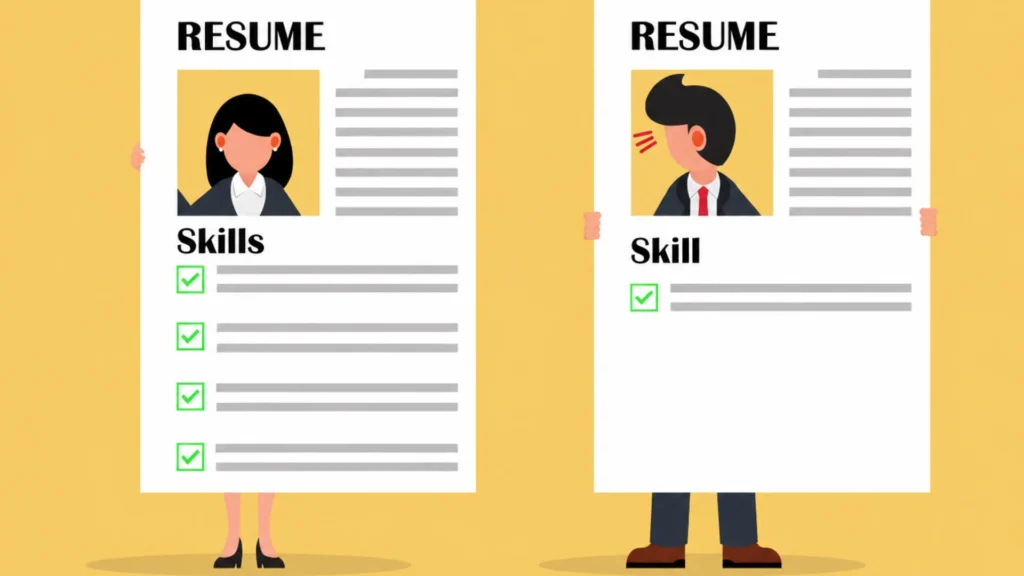
After completing a soft skill certificate, present it professionally so employers can quickly recognize its value.
Include It in the Certifications Section
Create a dedicated Certifications section on your resume and include:
- Certificate name
- Issuing organization
- Completion date
- Credential ID (if available)
Example:
Professional Soft Skills Certificate
Coursera | Completed: June 2026
Add It to Your LinkedIn Profile
Navigate to the Licenses & Certifications section and include:
- Certificate title
- Issuing organization
- Issue date
- Credential URL or ID (if provided)
This allows recruiters to verify your achievement and demonstrates your commitment to continuous learning.
Showcase It in Your Portfolio
If you maintain a personal website or digital portfolio, create a dedicated section for certifications. Include the certificate along with a brief description of the skills you developed during the course.
Mention It in Job Applications
When applying for positions that emphasize communication, leadership, customer service, or teamwork, mention your certification in your cover letter or application responses. Explain how the training has helped you strengthen relevant workplace skills.
Frequently Asked Questions
Most soft skill certificates do not have an expiration date because they recognize completed training. However, updating your skills through new courses every few years can demonstrate continuous professional development and keep you aligned with current workplace practices.
Yes. A soft skill certificate can help students and recent graduates demonstrate workplace-ready abilities such as communication, teamwork, and problem-solving. While it won’t replace practical experience, it can strengthen your resume and show employers your commitment to learning.
Soft skill certificates are useful across nearly every industry, including healthcare, education, information technology, finance, customer service, sales, marketing, hospitality, and human resources. Any role that involves collaboration or communication can benefit from these skills.
Many employers accept online soft skill certificates, especially when they are issued by reputable universities, professional organizations, or recognized learning platforms. The credibility of the provider often matters more than whether the course was completed online.
After completing your certification, update your resume and LinkedIn profile, add the credential to your professional portfolio, and apply the skills in real workplace situations. Demonstrating these abilities through your work is the best way to maximize the value of your certificate.