

The fashion industry offers far more career opportunities than just fashion design. Brands rely on professionals in styling, buying, merchandising, marketing, retail, and many other roles to create, promote, and sell their products successfully.
If you’re considering a fashion job, there are career paths for a wide range of skills and interests. This guide covers the most popular fashion careers, essential skills, education requirements, salary expectations, and practical steps to help you start your journey in the fashion industry.
What Is a Fashion Job?
A fashion job is any professional role involved in designing, producing, marketing, or selling clothing, footwear, and accessories. These careers include creative positions like fashion design and styling, as well as business-focused roles such as buying, merchandising, marketing, retail management, and content creation.
The fashion industry offers opportunities for people with different skills and educational backgrounds. Whether you’re creative, business-minded, or passionate about fashion trends, there are career paths suited to a wide range of interests and professional goals.
Popular Types of Fashion Jobs
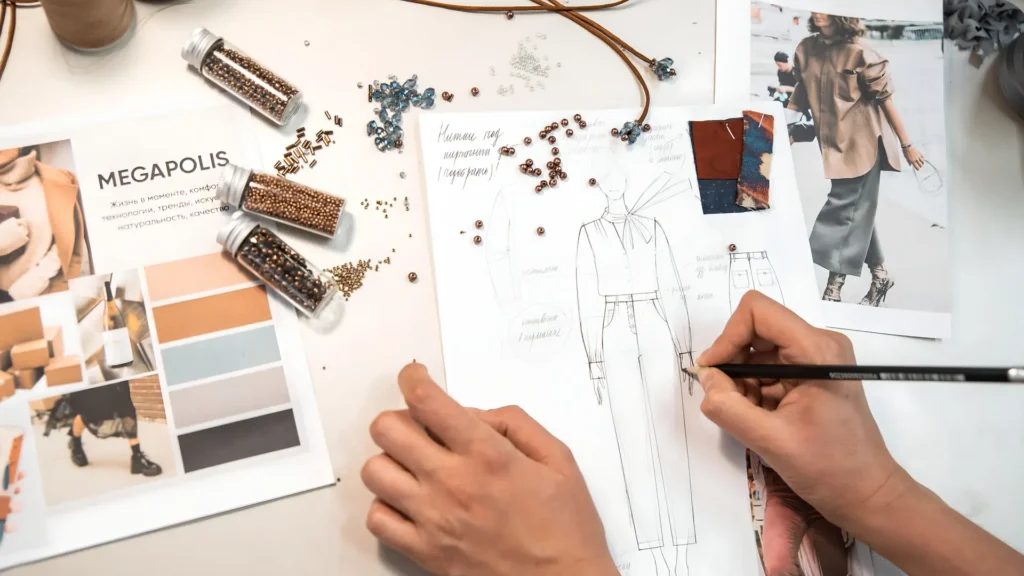
The fashion industry offers a wide range of career opportunities for people with creative, technical, and business skills. Below are some of the most popular fashion jobs and what they involve.
1. Fashion Designer
Fashion designers create clothing, footwear, and accessories by developing concepts, sketching designs, selecting fabrics, and overseeing the production process. Many specialize in areas such as menswear, womenswear, children’s wear, or bridal fashion.
2. Fashion Stylist
Fashion stylists curate outfits for photoshoots, advertising campaigns, fashion shows, celebrities, and personal clients. They combine clothing and accessories to create looks that match a specific theme or brand image.
3. Fashion Buyer
Fashion buyers research market trends, analyze customer demand, and select products for retail stores or online businesses. Their goal is to purchase collections that appeal to customers while meeting sales and profit targets.
4. Fashion Merchandiser
Fashion merchandisers plan product assortments, pricing, promotions, and inventory strategies. They work closely with buyers and marketing teams to ensure products reach the right customers at the right time.
5. Visual Merchandiser
Visual merchandisers design attractive store displays, window presentations, and product layouts to improve the shopping experience and encourage customers to make purchases.
6. Fashion Marketing Specialist
Fashion marketing specialists develop advertising campaigns, manage social media, coordinate promotional events, and help build brand awareness to attract and retain customers.
7. Retail Store Manager
Retail store managers oversee daily store operations, supervise staff, manage inventory, ensure excellent customer service, and work toward achieving sales goals.
8. Textile Designer
Textile designers create original fabric patterns, prints, textures, and materials used in clothing, home décor, and accessories. They often collaborate with fashion designers during product development.
9. Fashion Content Creator
Fashion content creators produce engaging digital content such as styling videos, lookbooks, blogs, product reviews, and social media posts to promote fashion brands and connect with online audiences.
Skills Needed for a Fashion Job
Fashion jobs typically require a mix of technical know-how and soft skills, such as trend awareness, design software proficiency, communication, and adaptability. The exact combination depends on the role, but most positions draw from both lists below.
Technical Skills
- Fashion illustration
- Adobe Illustrator
- Photoshop
- CLO 3D
- Trend forecasting
- Garment construction
- Textile knowledge
Soft Skills
- Creativity
- Communication
- Teamwork
- Time management
- Problem-solving
- Customer understanding
- Adaptability
Education and Qualifications
There are several paths to starting a fashion job, and a formal degree is just one option. While a bachelor’s degree in fashion design, merchandising, marketing, or a related field can be beneficial, many employers also value practical skills and hands-on experience.
Diplomas, professional certifications, and online courses can help you develop industry-relevant knowledge in areas such as fashion design, styling, merchandising, digital marketing, and retail management. These programs are often a faster way to build job-ready skills.
For many roles, including fashion buying, merchandising, content creation, and retail management, a strong portfolio and relevant work experience can be just as important as formal education. Completing internships, freelance projects, or personal fashion initiatives can demonstrate your abilities and make your application more competitive.
Fashion Job Salary Expectations
Pay in fashion varies widely depending on country, city, employer size, and how far along someone is in their career. The table below gives a general sense of where different roles tend to land.
| Job Role | Typical Salary Range (USD, annual) | Experience Level |
| Fashion Designer | $40,000 – $95,000+ | Entry to Senior |
| Fashion Stylist | $32,000 – $65,000 | Beginner to Mid-Level |
| Fashion Merchandiser | $45,000 – $80,000 | Mid-Level |
| Fashion Buyer | $48,000 – $90,000 | Mid-Level |
| Fashion Marketing Manager | $55,000 – $100,000+ | Experienced |
These figures shift depending on whether you’re working for a luxury house, a mass-market retailer, or a small independent label, so treat them as a starting reference rather than a guarantee.
How to Get a Fashion Job
Landing a fashion job requires the right combination of skills, practical experience, and professional networking. Following these steps can help you start your career and improve your chances of securing the right opportunity.
Step 1: Learn the Basics
Build a strong foundation by taking fashion-related courses, reading industry resources, and understanding how fashion brands design, produce, and market their products.
Step 2: Choose a Specialization
Decide which area of the fashion industry best matches your interests and strengths, whether it’s fashion design, styling, merchandising, buying, marketing, or retail management.
Step 3: Build a Strong Portfolio
Create a portfolio that highlights your best work, such as design sketches, styling projects, marketing campaigns, or creative content. A well-organized portfolio helps demonstrate your skills to employers.
Step 4: Gain Internship Experience
Completing a stage fashion job or fashion internship provides valuable hands-on experience, helps you understand industry workflows, and can often lead to full-time employment opportunities.
Step 5: Network with Industry Professionals
Attend fashion events, workshops, and career fairs, and connect with professionals on platforms like LinkedIn. Building strong relationships can open doors to new opportunities and career advice.
Step 6: Apply for Entry-Level Positions
Start applying for entry-level roles that match your skills and career goals. Tailor your resume and portfolio for each application, and continue improving your experience while searching for the right position.
Where to Find Fashion Jobs
Brand career pages are usually the first place to check, since many companies post openings there before anywhere else. Beyond that, retail companies, general job portals, and LinkedIn remain reliable sources, along with recruitment agencies that specialize in creative industries and university career centers for recent graduates.
If you’re searching in French-speaking regions, you’ll often see the terms emploi mode, carriere mode, or simply job for fashion used instead of the English phrasing, so it helps to know these when browsing international listings.
Common Challenges in Fashion Careers
- High competition for entry-level and creative roles.
- Seasonal hiring cycles can affect job availability.
- Long working hours during product launches, fashion weeks, or busy retail seasons.
- Building a strong portfolio and gaining relevant experience takes time.
- Keeping up with changing fashion trends and consumer preferences requires continuous learning.
- Meeting tight deadlines while maintaining quality and creativity can be demanding.
Despite these challenges, the fashion industry offers excellent growth opportunities for professionals who stay adaptable, continue developing their skills, and build strong industry connections.
Tips to Build a Successful Fashion Career
- Develop a strong personal brand that reflects your unique style and strengths.
- Continuously learn new tools, techniques, and industry best practices.
- Stay updated on fashion trends, consumer preferences, and global market developments.
- Attend fashion events, workshops, and networking opportunities whenever possible.
- Strengthen your digital skills, including social media, e-commerce, and design software.
- Build and maintain professional relationships with mentors, recruiters, and industry peers.
- Stay creative while also developing business and problem-solving skills.
- Regularly update your portfolio with your best projects and recent work.
Frequently Asked Questions
Some fashion jobs involve travel, especially roles in buying, styling, and brand management. You may attend trade shows, fashion weeks, supplier meetings, or photoshoots, while many office-based positions require little to no travel.
Yes, certain roles, such as fashion marketing, content creation, graphic design, e-commerce, and social media management, can often be done remotely. However, positions in retail, production, and garment development usually require on-site work.
Fashion professionals are also hired by e-commerce companies, magazines, advertising agencies, luxury retailers, textile manufacturers, costume production companies, and lifestyle brands. Their skills are valuable across several creative industries.
Networking plays a major role in the fashion industry because many opportunities come through professional connections and referrals. Building relationships with mentors, recruiters, and industry professionals can help you discover internships and job openings.
Digital fashion, sustainable practices, AI-powered design tools, and e-commerce are transforming the industry. Employers increasingly value professionals who can combine creativity with technology and understand changing consumer preferences.