

Learning how to write a resume is one of the first steps toward landing an interview. A well-written resume helps employers quickly understand your qualifications and decide whether you’re a good fit for the role.
A resume is typically a one- or two-page document that summarizes your education, work experience, skills, and achievements. To write one, choose the right format, add relevant sections, tailor it to the job description, include measurable achievements, and keep the layout clean and ATS-friendly.
What Is a Resume and Why Does It Matter?
A resume gives employers a quick snapshot of who you are professionally. It’s usually the first document a hiring manager looks at before deciding whether to move you forward.
Many people confuse a resume with a CV. In many countries, a resume is a concise document tailored to a specific job, while a CV is typically more detailed and includes your full academic and professional history.
Employers often spend only a few seconds scanning a resume before deciding whether to continue reading. A resume that’s clear, keyword-optimized, and easy to scan increases your odds of getting noticed and called in for an interview.
How to Write a Resume
Writing a resume involves choosing the right format, adding your contact information, writing a professional summary, listing work experience, highlighting relevant skills, including education and certifications, and tailoring every section to the job description.
Here’s how to do each step properly.
Step 1: Choose the Right Resume Format
Your format should match your career stage and goals.
| Format | Best For |
| Chronological | Experienced professionals |
| Functional | Career gaps |
| Combination | Career changers |
Most recruiters prefer the chronological format because it’s the easiest to scan and the most ATS-friendly.
Step 2: Add Your Contact Information
Keep this section short and accurate. Include:
- Full name
- Phone number
- Professional email address
- LinkedIn profile
- Portfolio link, if relevant to your field
Double-check every detail here. A single wrong digit in your phone number can cost you a callback.
Step 3: Write a Strong Resume Summary or Objective
A resume summary highlights your experience and top achievements in two to three lines. A resume objective focuses on your career goals and works better for entry-level candidates or recent graduates.
Example summary: “Detail-oriented marketing coordinator with 3 years of experience managing social campaigns that grew engagement by 40%.”
Use a summary if you have relevant experience. Use an objective if you’re just starting.
Step 4: List Your Work Experience
List your jobs in reverse chronological order, starting with your most recent role.
For each position, use strong action verbs and quantify your results wherever possible. Instead of writing “responsible for sales,” write “increased regional sales by 25% in six months.”
Tailor this section to match the language used in the job description. Applicant Tracking Systems (ATS) scan for specific keywords, and matching them improves your chances of passing the initial screening.
Step 5: Highlight Relevant Skills
Split your skills into two categories:
- Hard skills: technical abilities like data analysis, coding languages, or design software
- Soft skills: communication, adaptability, teamwork, and problem-solving
Pull keywords directly from the job posting and work them naturally into this section. This is one of the easiest ways to improve ATS compatibility without sounding robotic.
Step 6: Add Education, Certifications, and Projects
If you’re still wondering how to write a resume that stands out, don’t overlook your education, certifications, and projects.
This section should include your degree, any relevant certifications, academic projects, and volunteer work.
If you’re light on job experience, this section carries more weight. Academic projects and internships can demonstrate real, applicable skills to a hiring manager.
How to Write a Resume Without Job Experience
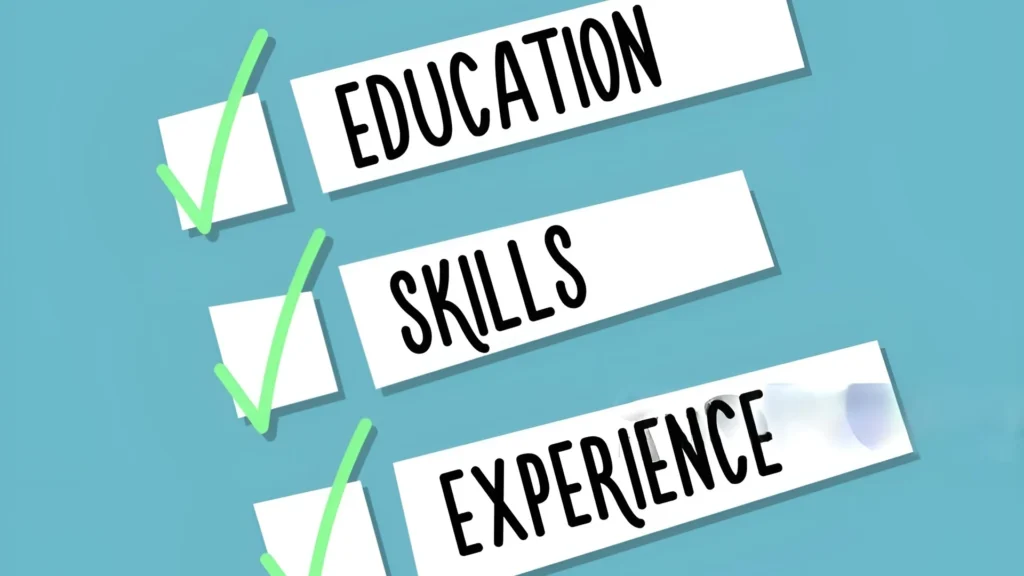
Writing a resume without job experience may seem challenging, but you can still showcase your skills, education, and projects effectively.
- Academic projects tied to your target role
- Volunteer work that shows leadership or initiative
- Freelance gigs, even small ones
- Certifications relevant to the industry
- Involvement in student organizations
- Relevant coursework
- Transferable skills like communication or project management
For example, a computer science student applying for a junior developer role can list a capstone project, a hackathon, and any freelance coding work instead of formal employment. This approach works especially well when paired with a tailored resume builder that helps structure these sections properly.
Common Resume Mistakes to Avoid
Small errors can quietly sink an otherwise strong resume. Watch out for:
- Using one generic resume for every job application
- Spelling and grammar mistakes
- Long, dense paragraphs instead of scannable bullet points
- Missing keywords from the job description
- Unprofessional email addresses
- Poor formatting or inconsistent fonts
- Including irrelevant experience
- Exaggerating or lying about qualifications
Even one of these mistakes can be enough for a recruiter to move on to the next candidate.
Resume Builder vs Resume Builder AI
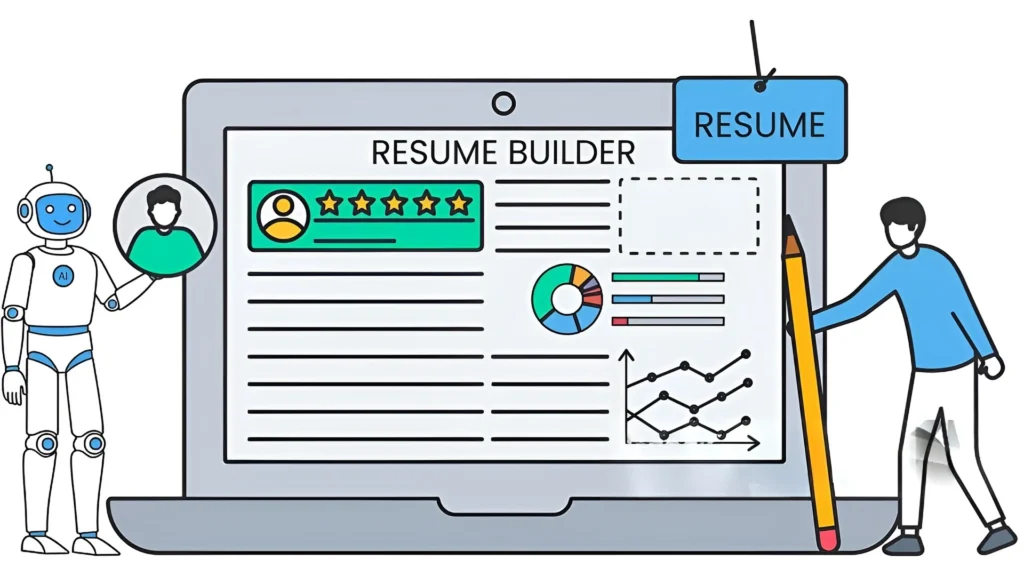
If writing from scratch feels overwhelming, a resume builder or resume builder AI can speed up the process.
| Feature | Resume Builder | Resume Builder AI |
| Templates | Yes | Yes |
| AI suggestions | No | Yes |
| Keyword optimization | Limited | Better |
| ATS optimization | Depends on the tool | Usually included |
| Custom writing | Manual | AI-assisted |
A standard resume builder gives you structure, while a resume builder AI adds smarter, keyword-aware suggestions based on the job you’re targeting. If you’re applying to several roles at once, the AI-assisted option usually saves more time.
Good Resume Examples
Different resume types emphasize different strengths depending on your experience and career goals.
- Student resume: Focuses on education, academic projects, and relevant skills.
- Experienced professional: Highlights work experience supported by measurable achievements.
- Career changer: Emphasizes transferable skills before presenting previous employment.
- Internship resume: Showcases coursework, projects, and extracurricular activities that demonstrate practical experience.
Once your resume is complete, pair it with a tailored cover letter and prepare for common interview questions to strengthen your application.
FAQs
One page works best for most candidates, especially early-career professionals. Two pages are acceptable if you have 10+ years of relevant experience.
The chronological format is most suitable for job seekers because it’s ATS-friendly and easy for recruiters to quickly scan.
Yes. Focus on academic projects, volunteer work, certifications, and transferable skills instead of formal job history.
A resume builder can save time and reduce formatting errors, especially if you’re applying to multiple roles and need quick customization.
Update your resume every time you gain a new skill, certification, or achievement, and always tailor it before each new application. Keeping your LinkedIn profile up to date with these updates also helps recruiters find you during their job search efforts.