

Dental assistant jobs offer a practical way to start a healthcare career without spending years in school. Dental assistants work alongside dentists, helping with patient care, preparing treatment rooms, sterilizing instruments, and managing daily office tasks. The profession welcomes recent graduates, career changers, and anyone looking for a stable healthcare role with growth opportunities.
This guide explains dental assistant responsibilities, education requirements, salary expectations, and career advancement opportunities.
Dental Assistant Jobs Overview
A dental assistant keeps a dental office running smoothly, both behind the scenes and right at the chairside. They set up treatment rooms, hand instruments to the dentist during procedures, and often explain aftercare instructions once an appointment ends.
The role blends clinical work with administrative tasks, so it rarely feels repetitive. Demand stays steady because dental offices, orthodontic practices, and oral surgery centers all need reliable support staff.
Dental assistant jobs are available in private dental practices, specialty clinics, hospitals, and community health centers. Because dental assistants support both patient care and office operations, they play an important role in keeping dental practices efficient.
This career suits people who enjoy working with their hands, who like a mix of structure and interaction, and who don’t mind a fast-paced work environment.
Is Dental Assisting a Good Career?
Dental assisting is a good career choice for people who want to enter the healthcare field quickly while enjoying stable employment. Training programs are often completed within a year, allowing graduates to begin working sooner than many other healthcare professionals.
The profession also offers opportunities to earn additional certifications, increase earning potential, and advance into roles such as Expanded Functions Dental Assistant (EFDA), office manager, or dental hygienist. As demand for dental services continues to grow, qualified dental assistants remain valuable members of dental care teams.
Dental Assistant Responsibilities
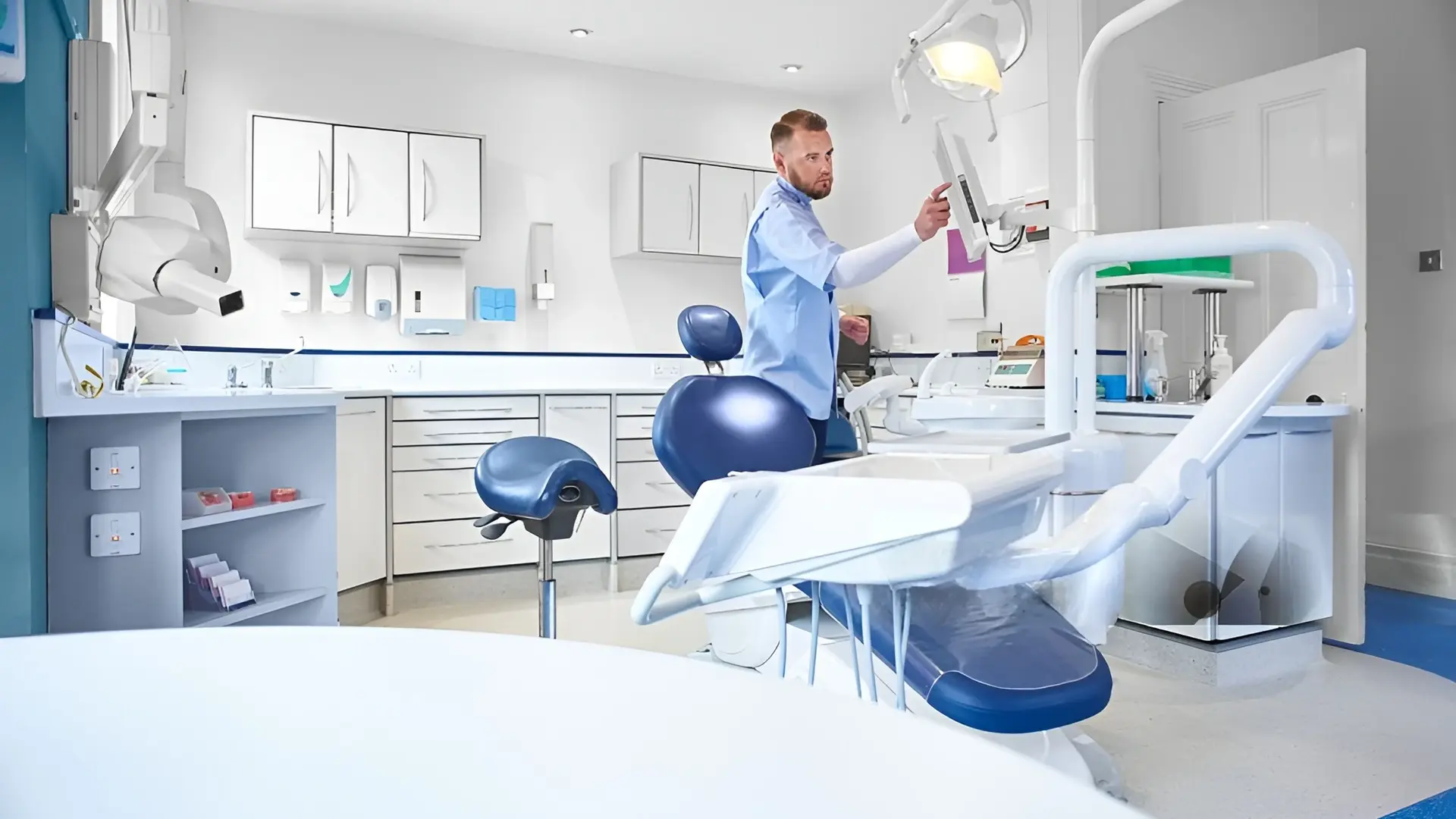
Dental assistant responsibilities include both clinical and administrative tasks that help dentists provide safe and efficient patient care. Daily duties may vary depending on the employer, state regulations, and dental specialty.
These responsibilities typically include:
- Preparing treatment rooms before appointments
- Assisting the dentist during procedures
- Sterilizing instruments between patients
- Taking dental X-rays (where legally permitted)
- Scheduling appointments and updating patient records
- Taking dental impressions
- Educating patients on treatment plans
- Managing basic inventory and supplies
Requirements for Dental Assistant Jobs
Most dental assistant jobs require a high school diploma or equivalent. Many employers prefer candidates who complete an accredited dental assisting program, which can usually be finished within 9 to 12 months. Depending on state regulations, certification, CPR training, or additional licensing may also be required.
Common requirements include:
- A high school diploma
- Completion of an accredited dental assisting program (usually under a year)
- Certification, such as a Certified Dental Assistant (CDA) credential through the Dental Assisting National Board, depending on the state
- CPR certification, which is required by nearly all employers
- Expanded Functions Dental Assistant (EFDA) status, for those who want to take on advanced clinical tasks
Licensing rules vary by state, so it’s worth checking your state dental board before assuming one certification path applies everywhere.
Skills Every Dental Assistant Should Have
Technical training only goes so far. Employers also look for:
- Strong communication skills
- Organization and attention to detail
- Manual dexterity for handling small instruments
- Compassion, especially with anxious patients
- Time management
- Basic computer skills for scheduling software
- Teamwork
Dental Assistant Salary

Dental assistant salary varies based on experience, certifications, employer, and location. The dental assisting salary generally increases as professionals gain experience or earn additional certifications. The yearly salary for a dental assistant also depends on the type of dental practice, state, and specialty.
According to the U.S. Bureau of Labor Statistics, the median annual wage for dental assistants was $48,860 per year (May 2024), with pay varying based on experience, certifications, employer type, and location.
- Entry-level: Starts on the lower end of the pay scale.
- Mid-career: Pay increases with experience and employer type.
- Experienced or Certified: Professionals with CDA or EFDA credentials often earn the highest dental assistant yearly salary because of their advanced skills and qualifications.
Factors that affect dental assisting salary the most:
- State of employment
- Additional certifications
- Type of employer (private practice vs. hospital-affiliated clinic)
- Specialties, such as orthodontics or oral surgery
Pay isn’t guaranteed at any specific figure because it depends on this mix of variables, but the overall trend across the profession has been upward.
Job Outlook for Dental Assistant Jobs
Dental assistant jobs continue to show strong employment prospects as the demand for preventive and restorative dental care grows. An aging population, increased awareness of oral health, and the expansion of dental practices continue to create opportunities for qualified dental assistants. Candidates with formal training and certification often have better employment prospects.
Where Dental Assistant Jobs Are Available
Dental assistant jobs are available in a variety of healthcare settings, giving professionals the flexibility to choose a work environment that matches their interests and career goals.
Common workplaces include:
- Private dental clinics
- Hospitals with dental departments
- Orthodontic offices
- Oral surgery centers
- Pediatric dentistry practices
- Public health clinics
- Dental schools
How to Become a Dental Assistant
Becoming a dental assistant usually involves completing a training program, gaining practical experience, and meeting your state’s certification or licensing requirements.
- Complete high school
- Enroll in an accredited dental assisting training program
- Gain supervised clinical experience during training
- Earn certification (CDA or state-required credential)
- Build a resume highlighting clinical hours and specialties
- Apply for dental assistant jobs matching your experience level
- Continue education toward EFDA status or dental hygiene school, if desired
Career Growth and Advancement
Dental assisting can lead to several career advancement opportunities through additional education, certifications, and work experience.
- Lead Dental Assistant: More responsibility within the same role
- EFDA: Expanded clinical duties
- Office Manager: Shift toward running the practice
- Dental Hygienist: Further schooling required
- Dental School: Use dental assisting experience as practical clinical experience
Pros and Cons of Dental Assistant Jobs
| Pros | Cons |
| Growing demand across most regions | Long hours spent standing |
| Reasonable work-life balance | Regular exposure to bodily fluids |
| Fast entry into healthcare | Some tasks can feel repetitive |
| Shorter training than most medical careers | Busy schedules with little downtime |
How to Find Dental Assistant Jobs
Finding dental assistant jobs is easier when you combine online job searches with networking and professional training opportunities.
- Check job boards regularly
- Contact dental clinics directly, since openings aren’t always posted
- Network through instructors and fellow students from your training program
- Optimize your resume to highlight certifications and clinical hours
- Complete an internship to make the transition to full-time work smoother
Frequently Asked Questions
How much is the dental assistant’s yearly salary?
It depends on experience, certifications, location, and employer type. Experienced and certified assistants generally earn more than entry-level workers.
Are dental assistant jobs in demand?
Yes. Dental offices across most regions hire regularly, making this an accessible entry point into healthcare.
Is certification mandatory?
It depends on the state. Some require formal certification before you can work; others allow on-the-job training with certification pursued afterward.
Can you work part-time?
Many dental offices offer part-time schedules, making this a good option for students or anyone balancing other commitments.
How long does it take to become a dental assistant?
Most dental assisting programs can be completed in 9 to 12 months, although some associate degree programs may take about two years. The required training depends on the program you choose and your state’s requirements.