

Security jobs offer opportunities in retail, healthcare, corporate offices, and government facilities. Whether you’re looking for entry-level work or planning a long-term career, understanding the requirements can help you apply with confidence.
This guide walks you through the requirements, pay ranges, and application process for landing your first or next role in the field.
Security jobs involve protecting people, property, and assets across industries such as retail, healthcare, education, and corporate offices. Most entry-level roles require a high school diploma, a background check, and any state-required security license, while some government positions also require security clearance.
What Are Security Jobs?
Security jobs involve protecting people, property, and information from theft, vandalism, and other threats. The work varies widely depending on the setting.
You’ll find security officers in retail stores, hospitals, corporate offices, schools, airports, warehouses, and government buildings. Some roles focus on monitoring CCTV footage and access control systems, while others involve active patrol and incident response.
No matter the setting, the core responsibilities stay consistent: deter incidents, respond quickly when something goes wrong, and file clear incident reports afterward.
Common Types of Security Guard Positions

Not all security guard positions look the same. Here’s a breakdown of the most common ones.
1. Unarmed Security Guards
Unarmed guards handle patrol duties, access control, and surveillance without carrying a weapon. This is usually the easiest entry point for beginners and often requires less training time.
2. Armed Security Guards
Armed guards work in higher-risk environments like banks, cash-in-transit operations, or certain government sites. This role requires firearms certification on top of standard guard licensing.
3. Corporate Security Officers
These officers protect office buildings, manage visitor check-in, and coordinate with building management on emergency procedures.
4. Hospital Security
Hospital security guards manage visitor access, de-escalate conflicts in emergency rooms, and support staff during high-stress situations.
5. Event Security
Event security teams handle crowd control, bag checks, and entry management at concerts, sports games, and conferences. Many of these positions are part-time or contract-based.
6. Loss Prevention Officers
Loss prevention officers work mainly in retail, watching for shoplifting and internal theft using both surveillance systems and floor presence.
Qualifications and Skills Needed
Most entry-level security jobs share a similar set of baseline requirements, though specifics vary by employer and state.
Common qualifications include:
- Minimum age of 18 (21 for some armed roles)
- High school diploma or equivalent
- Passing a background check and drug test
- A valid guard card or state security license
- Physical fitness suited to standing or patrolling for long shifts
- Strong observation and communication skills
Some employers also require CPR certification, especially for hospital or event security roles. If you’re wondering how to become a licensed security guard, your state’s licensing board is the best starting point, since requirements differ from state to state.
How to Get Security Clearance for a Job
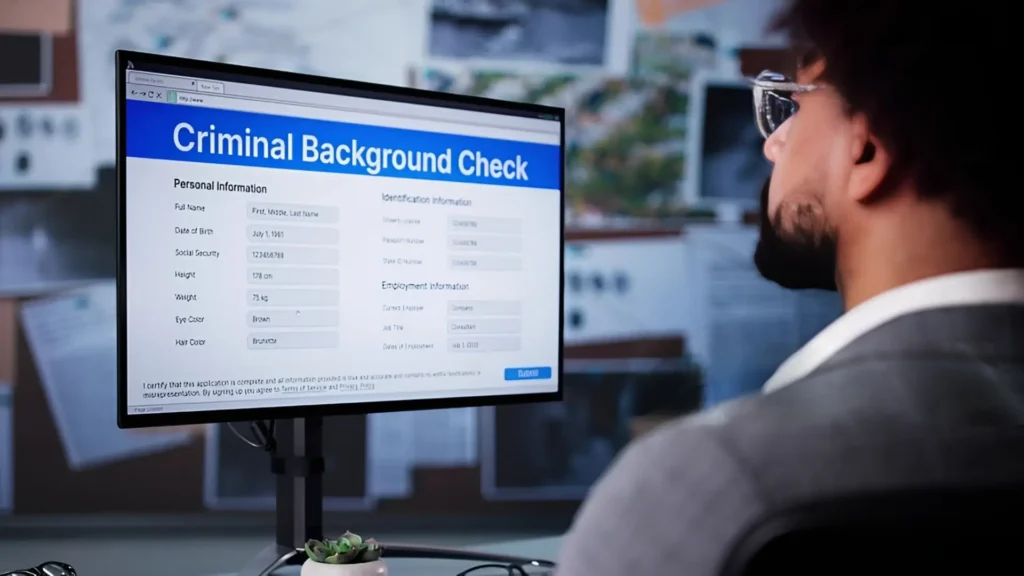
Security clearance is a common point of confusion for job seekers, so it’s worth clarifying early: most private security jobs do not require federal security clearance. Clearance is typically reserved for government contracts, defense-related roles, or positions involving classified information.
If a job does require clearance, the process usually looks like this:
- The employer sponsors your application, since individuals cannot apply for clearance on their own.
- You go through a background investigation covering criminal history, financial records, and personal references.
- Fingerprinting and an in-person interview are typically part of the review.
- Approval timelines vary, often taking anywhere from a few weeks to several months, depending on the clearance level.
If clearance isn’t required for the role you want, don’t let this step hold you back. Focus instead on your state guard card and any specialized certifications relevant to the position.
Where to Find Security Jobs
Once you’ve sorted out your qualifications, the next step is finding openings that match your experience level.
Good places to start:
- Company career pages for major security companies hiring in your area
- General job boards filtered by location and shift type
- Staffing agencies that specialize in security placements
- Local employers such as hospitals, malls, and office complexes often hire directly
Searching for “security guard jobs near me” can help you find local openings quickly. It’s also worth checking company career pages directly, as some positions may not appear on public job boards.
Networking with local employers or attending job fairs can also help you find opportunities that may not be advertised online.
Salary and Career Growth
Salaries vary by country, employer, experience, certifications, and whether the position is armed or unarmed. Checking local job listings provides the most accurate pay information for your area.
Generally speaking, armed positions tend to pay more than unarmed ones due to the added training and liability involved. Specialized roles, like corporate security or investigations, often pay more than standard patrol work.
Career growth in this field is realistic and fairly common. Many guards move into supervisor or site manager roles within a few years. From there, some transition into corporate security management or private investigations, which usually come with better pay and more predictable schedules.
Tips to Get Hired Faster
A few practical steps can meaningfully speed up your job search:
- Tailor your resume to highlight any relevant experience, even from unrelated fields (customer service, military, or retail all transfer well)
- Get your required state license or guard card before applying, if possible
- Earn a CPR certification, since it’s a low-cost way to stand out
- Apply to multiple employers rather than waiting for one response
- Practice common interview questions around conflict de-escalation and reporting procedures
- Keep your background clean, since most employers run checks as a standard step
Following these steps won’t guarantee a job offer, but it does put you ahead of applicants who skip this preparation.
Frequently Asked Questions
Most employers require a high school diploma, a clean background check, and a state guard card or license. Physical fitness and communication skills also matter.
Yes. Many unarmed and entry-level positions are open to applicants without prior experience, as long as licensing requirements are met.
Pay depends on location, certification, and whether the role is armed or unarmed. Armed and specialized positions generally pay more than standard unarmed roles.
Common types include unarmed guards, armed guards, corporate security officers, hospital security, event security, and loss prevention officers.
Hiring activity varies by region and season, with event security and retail loss prevention roles often seeing seasonal spikes. Checking local job boards and company career pages regularly is the best way to stay updated.