

Searching “graphic design jobs” turns up thousands of listings in seconds, but sorting through them to find the right fit — remote or local, entry-level or senior, freelance or full-time — is where most job seekers get stuck. This guide breaks down the graphic design job market by type, experience level, and location, plus what it actually takes to get hired.
What Counts as a “Graphic Design Job” Today
The title covers more ground than it used to. A graphic designer today might work on the following:
- Brand and marketing design — logos, brand identity systems, campaign visuals
- Digital and UI-adjacent design — web graphics, email templates, social media assets
- Print and packaging design — packaging, signage, catalogs, large-format print
- Motion and video-adjacent design — animated banners, short-form video graphics, motion graphics
- Production design — resizing, formatting, and prepping files for print or digital delivery
Job listings often blend two or three of these into one role, so it’s worth reading the responsibilities section closely rather than just the title.
Where to Look: Job Boards vs. Freelance Platforms
Graphic design jobs generally show up in two different places, and they attract different search behavior:
Traditional job boards (Indeed, Glassdoor, LinkedIn, Built In, CareerBuilder) list full-time, part-time, and contract roles at companies. These are best if you want a steady paycheck, benefits, and a consistent team.
Freelance marketplaces (Upwork, 99designs, and Dribbble) list project-based work—a logo here, a set of social templates there. These suit designers who want flexible hours, multiple clients, or are just starting to build a portfolio without a formal degree.
If you’re searching for “graphic design jobs near me,” you’re most likely looking for the first category—onsite or hybrid roles tied to a specific city. If location doesn’t matter, remote and freelance listings open up a much larger pool.
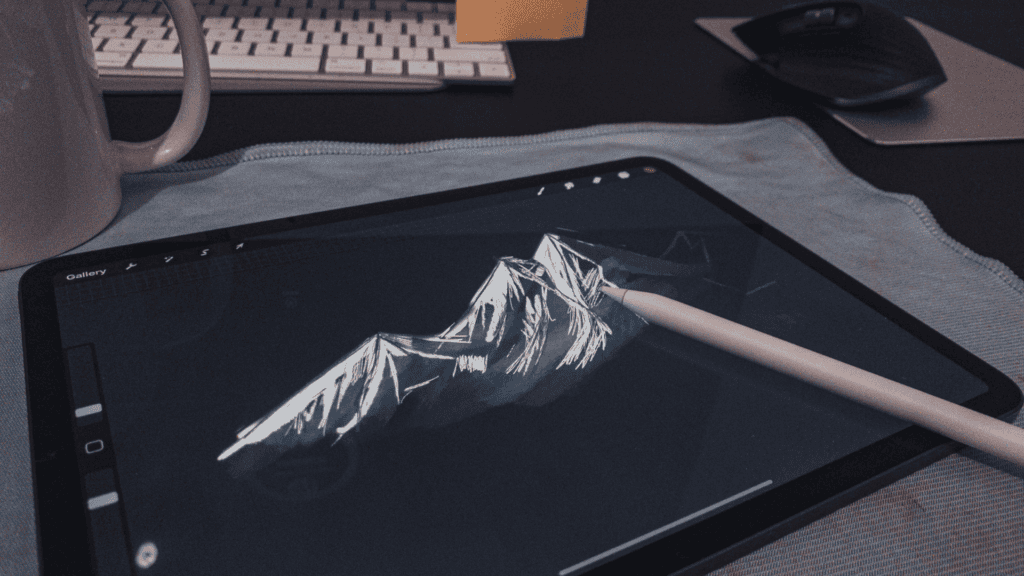
Graphic Design Jobs by Employment Type
Full-Time and In-House Roles
These typically sit inside a marketing or creative department, working on a single brand’s visual identity day to day. Expect steady deadlines, brand guideline work and close collaboration with marketing and product teams.
Freelance and Contract Work
Freelance graphic design jobs are project-based and often shorter in scope—a label redesign, a set of banner ads, a presentation refresh. Pay on platforms like Upwork commonly ranges from $40 to $75/hour depending on experience and specialty, though rates vary widely by project type and client budget.
Part-Time and Internship Roles
Common entry points for students or career-changers. These roles usually involve narrower responsibilities (production support, template updates) and are a practical way to build a portfolio before applying to full-time positions.
Graphic Design Jobs by Experience Level
Entry-level / no experience required: Look for titles like “Junior Graphic Designer,” “Production Artist,” or “Design Assistant.” These roles focus on execution—resizing assets, following existing brand guidelines, and basic layout work—rather than original concepting.
Mid-level: Titles like “Graphic Designer II” or “Mid-Level Designer” typically expect 2–5 years of experience, a portfolio showing range across formats, and some ownership of projects from brief to final file.
Senior and lead roles: These involve shaping visual identity, managing design systems, and often mentoring junior designers or freelancers. Employers usually expect 5+ years of experience and a portfolio demonstrating strategic, not just executional, thinking.
What Employers Actually Ask For
Across job postings, a few requirements come up consistently:
- A strong portfolio — this matters more than the degree line on a resume. Employers want to see finished, varied work, not just class projects.
- Adobe Creative Suite proficiency—Photoshop, Illustrator, and InDesign remain the baseline; After Effects and Figma are increasingly common asks for motion and digital-first roles.
- Typography and color theory fundamentals — even in generalist roles, this shows up as a stated requirement.
- Collaboration skills — nearly every listing mentions working across marketing, brand, or product teams, since design rarely happens in isolation.
- A degree in graphic design or a related field — frequently listed as “preferred” rather than required, especially for freelance and entry-level roles, where a portfolio can substitute.
How to Build a Job-Ready Portfolio
If you’re applying without much on-the-job experience, your portfolio is doing the talking. A few things that consistently help:
- Show range, but not everything. Five to eight strong, varied pieces beat twenty inconsistent ones.
- Include process, not just final output. A short case study—brief, concept sketches, and final result—shows how you think, not just what you can produce.
- Tailor it to the role. If you’re applying for a packaging design job, lead with packaging work, even if it means reordering the same portfolio for different applications.
- Publish it somewhere permanent. A personal site or a platform like Dribbble gives hiring managers a stable link to reference, separate from a resume attachment.
Is Graphic Design a Good Career Right Now?
Demand remains steady, particularly for designers who can move fluidly between formats—someone comfortable with both static print layouts and short-form video graphics is more employable than a specialist in just one. Salaries vary significantly by experience, location, and employment type: hourly freelance rates on major platforms often land between $19 and $75 an hour, while full-time in-house roles are typically salaried and vary by city and seniority.
The clearest path in is usually to build a portfolio (even with self-directed or freelance projects), start with entry-level, part-time, or contract work to gain real client or brand experience, and then move toward mid-level and senior roles as that body of work grows.
Getting Started
If you’re beginning your search today, a practical sequence looks like this:
- Decide whether you’re targeting local/onsite, remote, or freelance work — this determines which platforms to prioritize.
- Build or update a portfolio with 5–8 of your strongest, most relevant pieces.
- Search both job boards and freelance marketplaces, since they surface different opportunities.
- Apply to a mix of entry-level and mid-level roles if you’re early in your career—requirements listed as “preferred” are often flexible.
The graphic design job market is broad enough that there’s rarely one single “right” way in—the fastest path is usually the one that matches how you want to work, not just what title you’re chasing.
Not always. Most listings state a degree as “preferred” rather than required, especially for entry-level, freelance, and contract roles. A strong portfolio showing finished, varied work typically carries more weight with hiring managers than the credential itself.
Graphic design generally focuses on visual communication — branding, print, marketing assets — while UI/UX design centers on how users interact with digital products. The two overlap in web and digital roles, but UI/UX postings usually emphasize wireframing, user research, and prototyping tools rather than print or brand systems.
It varies widely by employment type and experience. Freelance rates on major platforms commonly range from $19–$75 an hour depending on specialty and experience level, while full-time in-house roles are salaried and vary by city, industry, and seniority.
Traditional job boards (Indeed, LinkedIn, Built In) list remote in-house and contract roles, while freelance marketplaces (Upwork, 99designs, Dribbble) are built around project-based remote work. Filtering by “remote” on either type of platform is usually more effective than searching “graphic design jobs near me,” which defaults to local results.
4 thoughts on “Graphic Design Jobs: Where to Find Them and How to Land One”
Comments are closed.