
Introduction
Finding the right mechanical engineering internships can feel overwhelming, especially with so many companies, application portals, and deadlines to track. Whether you’re aiming for a summer internship or a year-round co-op, the process gets much easier once you understand what employers actually look for.
This guide breaks down everything you need to know, from where to search to how to make your application stand out, without wasting time on generic advice that doesn’t apply to engineering roles.
What Is a Mechanical Engineering Internship?
A mechanical engineering internship is a short-term, structured work experience where students or recent graduates apply classroom knowledge to real projects. Interns usually work under a senior engineer, contributing to design, testing, manufacturing, or research tasks.
Most internships last between 10 and 16 weeks, though some companies also offer part-time internships during the school year. Tasks can range from CAD modeling and prototype testing to running simulations or supporting production line improvements.
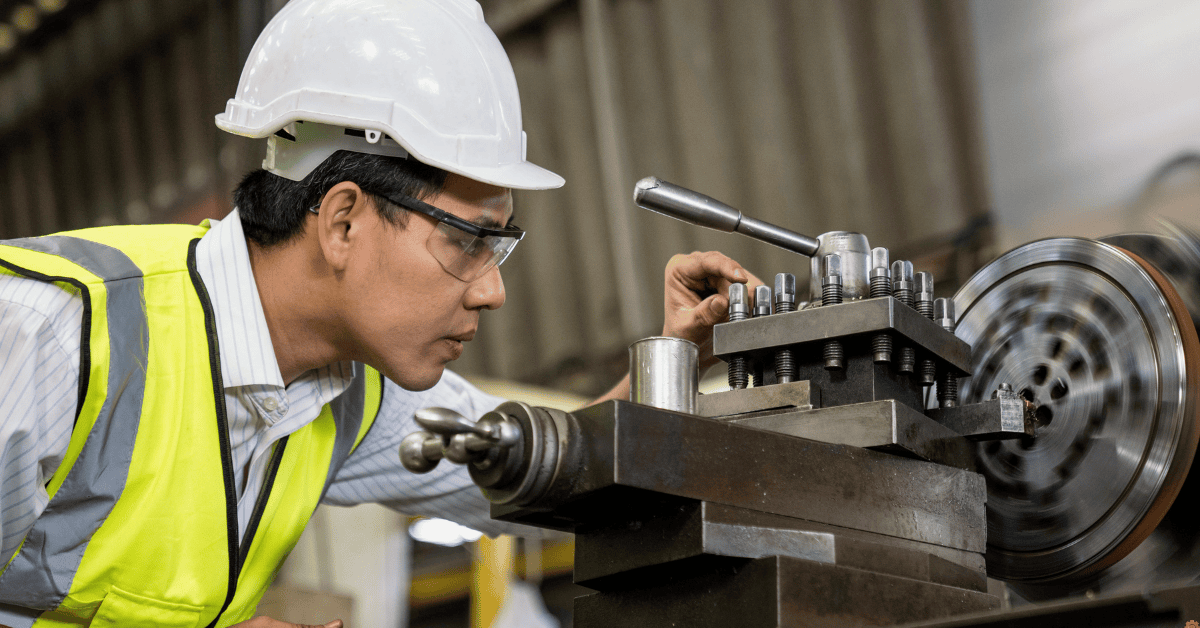
Unlike a general engineer internship, mechanical-specific roles focus heavily on hands-on hardware work. You might spend a week in a lab testing material fatigue, then move to helping a team troubleshoot a machining issue on the shop floor.
Who Should Be Looking for These Internships?
This guide is mainly for engineering students in their second, third, or final year, along with recent graduates trying to enter the field. If you’re searching for a mechanical engineering intern summer 2025 position or planning ahead for a mechanical engineer internship for summer 2026, the core strategy stays the same.
Career-switchers with a technical background also apply for these roles, though most companies prefer candidates currently enrolled in or recently graduated from an ABET-accredited (or equivalent) mechanical engineering program.

What Recruiters Actually Want to See
Search intent around this keyword is split almost evenly between people researching internships and people ready to apply right now. That tells us readers want two things at once: understanding and action.
Recruiters filtering through a mechanical engineer intern applicant pool typically prioritize three things. First, relevant coursework or lab experience, even if it’s academic rather than professional. Second, any hands-on project work, such as robotics clubs, Formula SAE teams, or personal builds. Third, a clean, specific resume that avoids vague statements like “team player” without backing them up.
How to Find Open Positions
Company career pages remain the most reliable source, especially for large manufacturers and automotive firms that run structured internship programs. LinkedIn and Handshake are strong secondary options, particularly for smaller or regional companies that don’t always advertise widely.
A few practical points worth knowing:
- Applications for summer roles often open 6 to 9 months in advance
- Some companies run rolling admissions; others have hard deadlines
- Referrals significantly increase response rates; even a short LinkedIn message to a current employee helps
When I was helping my younger cousin build his engineering resume last year, we found that three of his five interview invites came from companies he’d found through his university’s engineering department newsletter, not job boards. It’s a small detail, but school-specific resources are often underused compared to general job sites.
Building an Application That Gets Noticed
Your resume should lead with technical skills relevant to the role, such as SolidWorks, AutoCAD, MATLAB, or specific manufacturing processes you’ve used. Avoid listing software you’ve only touched once in a class demo.
Keep your resume to one page unless you have significant prior work experience. Recruiters reviewing hundreds of applications for an engineer intern role spend an average of a few seconds on the first scan, so clarity matters more than length.
A short, well-written cover letter still helps, particularly for smaller companies that read every application individually. Mention a specific project or product line you’re interested in rather than writing something generic that could apply to any employer.
Practical Tips Before You Apply
Update your portfolio or GitHub if you have design files, CAD models, or project documentation worth showing. A visual portfolio, even a simple one, sets you apart from applicants who only list project titles on a resume.
Practice explaining your projects out loud before interviews. Technical interviewers often ask you to walk through a past project in detail, and hesitation here can hurt more than a knowledge gap.
Apply broadly, but track everything. A simple spreadsheet with company name, deadline, and application status prevents missed follow-ups, which happens more often than people expect during a busy application season.
If you’re unsure how your resume compares to industry standards, official resources like the Bureau of Labor Statistics’ Mechanical Engineers page offer solid background on required skills, typical duties, and industry outlook, which is useful context before you tailor your resume for a specific role.
Common Mistakes to Avoid
Many students apply to only large, well-known companies and overlook mid-sized manufacturers, which often have less competitive applicant pools and more direct mentorship. Diversifying your target list improves your odds significantly.
Another common mistake is submitting a generic resume across dozens of applications without adjusting keywords or project highlights to match the specific internship description. Applicant tracking systems often filter out resumes that don’t reflect the posted requirements closely enough.
Finally, don’t wait until the deadline is close to request references or transcripts. These take time, and delays can cost you a spot in a rolling admissions process.
FAQs
Most companies open summer internship applications between September and December of the prior year, so starting early gives you the best chance.
No. Many first-time applicants get offers based on coursework, personal projects, or student organization involvement instead of paid experience.
Internships are typically shorter, often 10-16 weeks, while co-ops usually last a full semester or longer and may involve alternating school and work terms.
They exist but are less common than in software fields, since many tasks involve hands-on lab or manufacturing work that requires physical presence.
It varies by company. Some larger firms use GPA as an initial filter, while smaller companies often weigh projects and interview performance more heavily.