

Pakistan’s economy is shifting, though not in a straight line. Some sectors are still holding the traditional base, but the real movement is clearly coming from digital services, exports, and tech-driven work.
What’s also changed is who’s participating in this growth. It’s not just large corporations anymore. Freelancers working from small towns like Faisalabad, Gujranwala, and Multan are now part of international projects, sometimes without ever stepping into a formal office setup.
Add improving internet access, fintech adoption, and global outsourcing demand into the mix, and you get a country that’s slowly plugging itself into the global digital economy.
In this guide, we’ll explore the fastest-growing industries in Pakistan in 2026, why they are expanding, and where future opportunities are likely to emerge.
1. Information Technology (IT) & Software Services

IT has become one of the most reliable growth areas in Pakistan. A lot of this isn’t coming from big corporate setups either. Independent developers and small remote teams are now just as important as established companies, especially through freelancing websites in Pakistan that connect them with international clients.
Why is it growing:
- Outsourcing demand keeps rising globally
- Freelancing has become a real income channel
- Government continues pushing IT exports
- AI tools are creating new service categories
Key areas:
- SaaS products
- AI and automation systems
- Cybersecurity work
- Mobile app development
- Game development
Future Outlook:
Global demand isn’t slowing down, and that’s the main driver here. Remote work has become standard practice in many industries, which naturally benefits countries like Pakistan with a young digital workforce.
Big names like Systems Limited and NetSol Technologies will stay relevant, but a lot of the momentum is actually coming from smaller studios and independent freelancers working directly through freelance platforms with overseas clients.
2. Fintech & Digital Banking
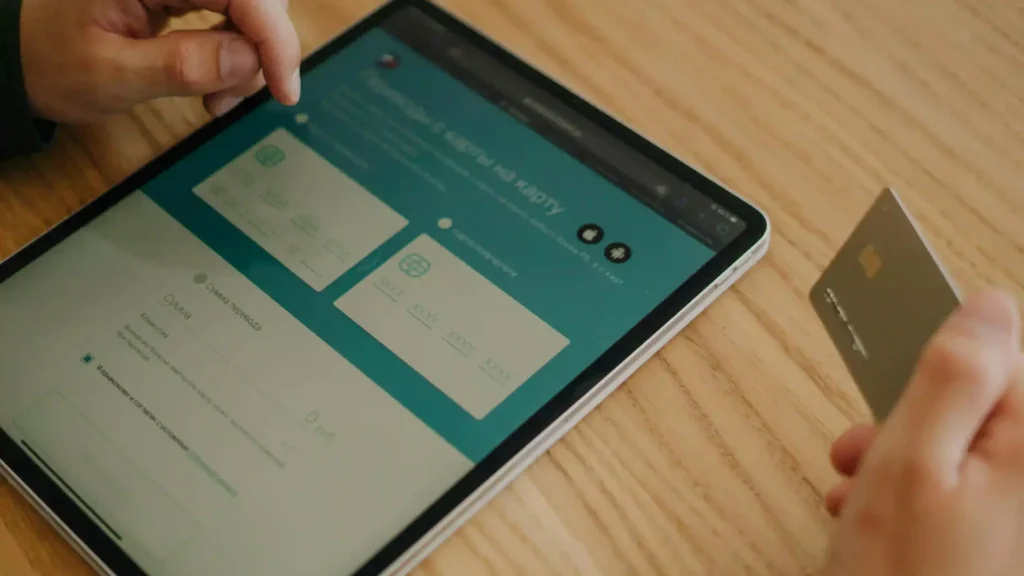
The way money moves in Pakistan has changed a lot in just a few years. Cash hasn’t disappeared, but digital payments are no longer optional in many cases.
Why is it growing:
- Smartphone usage is now widespread
- Digital wallets are becoming normal in daily use
- Freelancers depend on cross-border payments
Key areas:
- Mobile wallets
- Digital banking platforms
- BNPL services
- Online lending systems
Future Outlook:
Banking is gradually becoming invisible in a way. People will still use financial services, but they won’t necessarily “visit” banks for them. Credit scoring, lending, and payments will increasingly be handled through algorithms running behind apps.
3. E-Commerce & Digital Retail

E-commerce in Pakistan has moved past early adoption. People don’t hesitate as much as they used to. Ordering online has become normal, especially in cities.
Why is it growing:
- Social media has turned into a selling platform
- Courier networks are improving
- Trust in online sellers has increased
Key areas:
- Fashion stores
- Grocery delivery services
- Social commerce pages
- Online marketplaces
Future Outlook:
Speed is becoming the real competition now. Same-day or next-day delivery is no longer a luxury feature. At the same time, buying decisions are increasingly influenced by algorithms and ads rather than direct search.
A lot of small businesses now run entirely through phones, without physical storefronts.
4. Logistics & Supply Chain
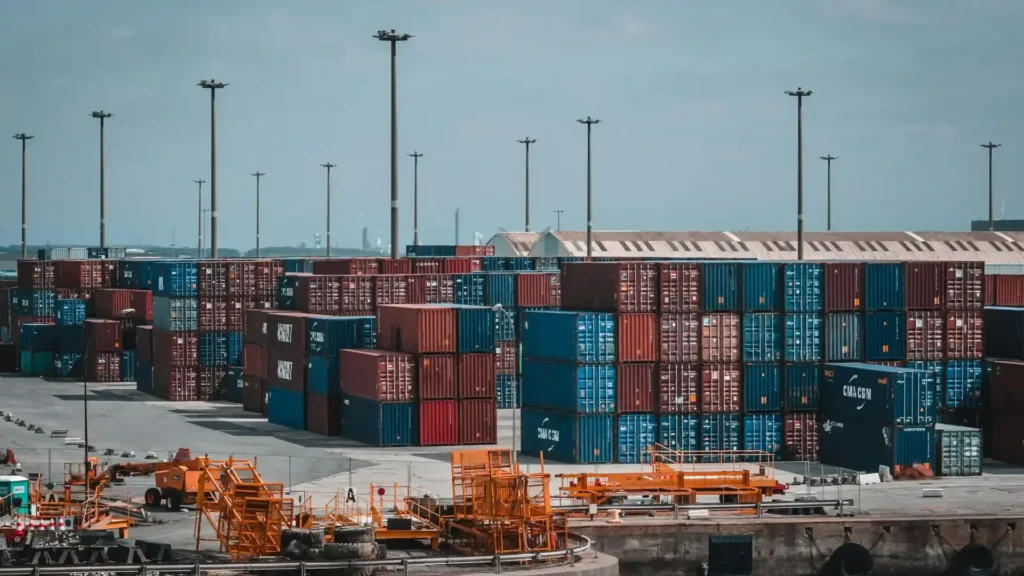
Logistics is one of those sectors that doesn’t get attention, but everything depends on it. Every online order, every delivery, every shipment passes through this system.
Why is it growing:
- Explosion of e-commerce orders
- Demand for faster fulfillment
- Expansion of warehouse networks
Key areas:
- Last-mile delivery systems
- Cold storage facilities
- Warehousing operations
- Tracking and routing systems
Future Outlook:
This space is moving toward efficiency over everything else. Companies are investing in automation and smarter tracking instead of just adding manpower. Even small improvements in delivery time can decide market leaders.
5. Textiles & Apparel
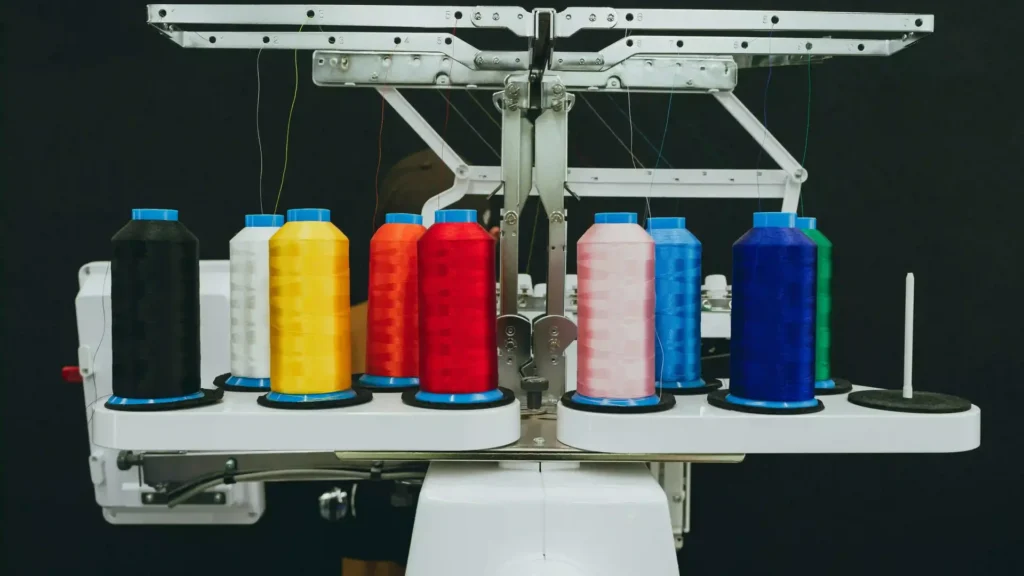
Textiles still sit at the center of Pakistan’s export economy. It’s an old industry, but one that continues to evolve instead of fading out.
Why is it growing:
- Strong global demand for apparel
- Large-scale manufacturing base
- Established export relationships
Key areas:
- Export garments
- Fashion brands
- Sustainable fabric production
- Technical textiles
Future Outlook:
The shift is clearly toward value-added production. Instead of exporting raw material, more focus is going into finished garments and branded clothing.
Sustainability is also starting to matter more than before, especially for international buyers who are becoming stricter about supply chains.
6. Agribusiness & Food Processing
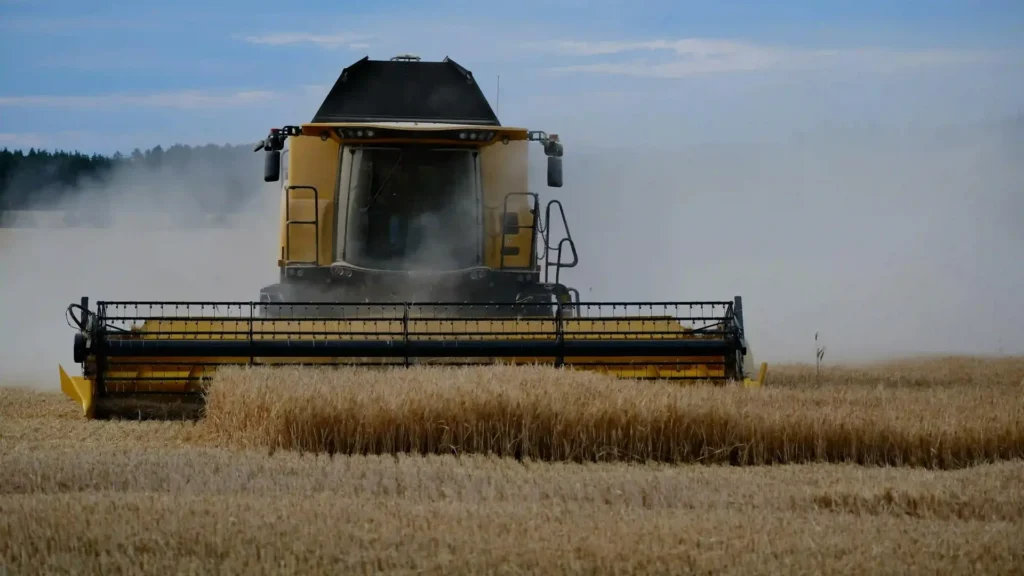
Agriculture is no longer just about growing crops and selling them in raw form. A lot of value is now being created after production.
Why is it growing:
- Increasing food demand in cities
- Export opportunities in processed food
- Population growth pressure
Key areas:
- Dairy processing
- Packaged food industry
- Frozen food supply chain
- Agro exports
Future Outlook:
The biggest change will come from storage and processing. Less waste, better packaging, and improved transport will slowly reshape the sector. Over time, branded food products will take a bigger share of exports.
7. Renewable Energy
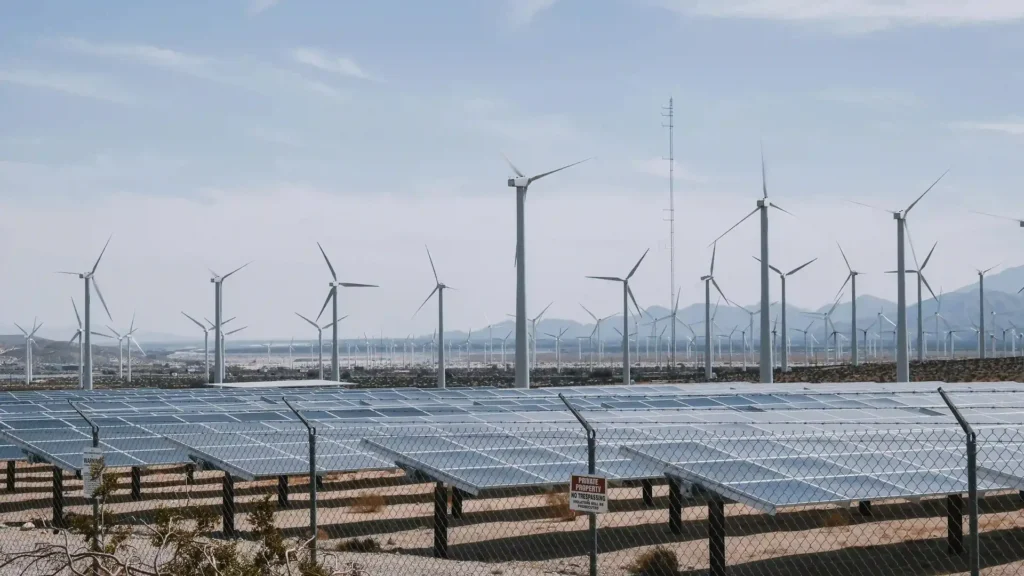
Energy costs are forcing people to rethink how electricity is generated and used. Solar, in particular, has moved from a niche option to something very common.
Why is it growing:
- Rising electricity costs
- Load shedding issues
- Cheaper solar systems
Key areas:
- Solar installations
- Net metering setups
- Battery storage systems
- Solar farms
Future Outlook:
Solar is likely to become a default option for many households and businesses. The real game changer will be storage systems and a more stable grid, which will decide how far renewable energy can scale.
8. Healthcare & Health-Tech
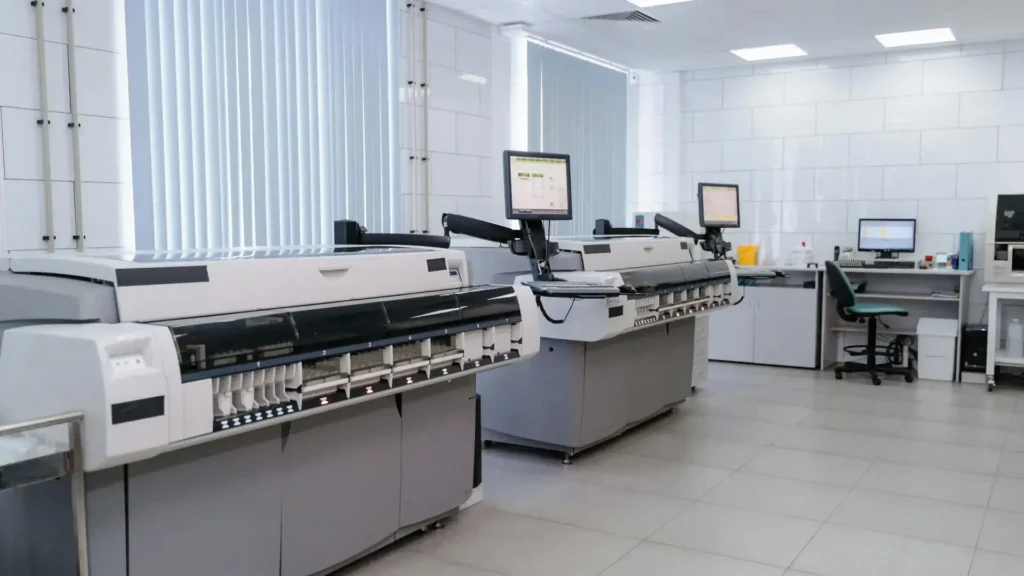
Healthcare is slowly shifting into the digital space, although the transition is still early compared to other industries.
Why is it growing:
- Increasing demand for healthcare services
- Faster digital adoption
- Rise of telemedicine platforms
Key areas:
- Online consultations
- Digital pharmacies
- Patient record systems
- AI-assisted diagnosis tools
Future Outlook:
The system will likely stay hybrid for a long time. Physical hospitals won’t disappear, but digital platforms will handle a growing share of first-level consultations and monitoring.
AI tools will quietly support doctors rather than replace them, especially in diagnostics.
Industry Comparison Table
| Industry | Growth Potential | Job Demand | Investment Potential |
| IT & Software | Very High | Very High | High |
| Fintech | Very High | High | Very High |
| E-Commerce | High | High | High |
| Logistics | High | High | Medium |
| Textiles | High | Very High | High |
| Agribusiness | High | Medium | High |
| Renewable Energy | Very High | High | Very High |
| Healthcare | Very High | High | High |
FAQs
Which industry has the highest future in Pakistan?
IT leads due to strong global outsourcing demand and the rise of freelancing. It continues to attract international clients and remote work opportunities.
Is IT a good career in Pakistan in 2026?
Yes, IT remains a strong career choice with growing remote work options. Many professionals now earn from international projects without leaving the country.
Which industries are growing fastest in Pakistan?
IT, fintech, renewable energy, e-commerce, logistics, and healthcare are expanding quickly. These sectors are driven by digital adoption and changing market needs.
Is renewable energy profitable in Pakistan?
Yes, especially solar energy, which is in high demand due to rising electricity costs. Both residential and commercial adoption are increasing steadily.
Can small cities benefit from these industries?
Yes, digital platforms allow people in smaller cities to access the same opportunities as big urban centers. Location is becoming less important than skills.
Final Thoughts
Pakistan’s economy is clearly moving toward a more digital and export-driven structure. It’s not happening overnight, but the direction is consistent.
Traditional industries still matter, but the real growth is coming from sectors connected to technology and global demand.
The biggest opportunities right now are concentrated in IT, fintech, renewable energy, e-commerce, logistics, and healthcare. And the gap between early adopters and everyone else is only going to widen.