

Quitting a job is rarely just a single conversation with your manager. It’s a process that, when handled well, protects your reputation, your references, and your future opportunities. Whether you’re leaving for a better offer, a toxic work environment, or simply a change of direction, how you resign matters almost as much as why you’re resigning.
This guide explains how to quit a job professionally, from reviewing your employment contract to handling your last day, so you can leave on good terms and protect your future career opportunities.
When Is the Right Time to Quit a Job?
People commonly decide to quit a job for reasons such as:
- Better career growth opportunities
- Higher salary or improved benefits
- Toxic or unhealthy work environment
- Relocation
- Continuing education
- Health or family responsibilities
- Better work-life balance
Whatever the reason, leaving for the right reasons often leads to better long-term career satisfaction. Resigning impulsively, without a plan, tends to create financial and emotional stress that outweighs the short-term relief of walking away.
How to Quit a Job Step by Step
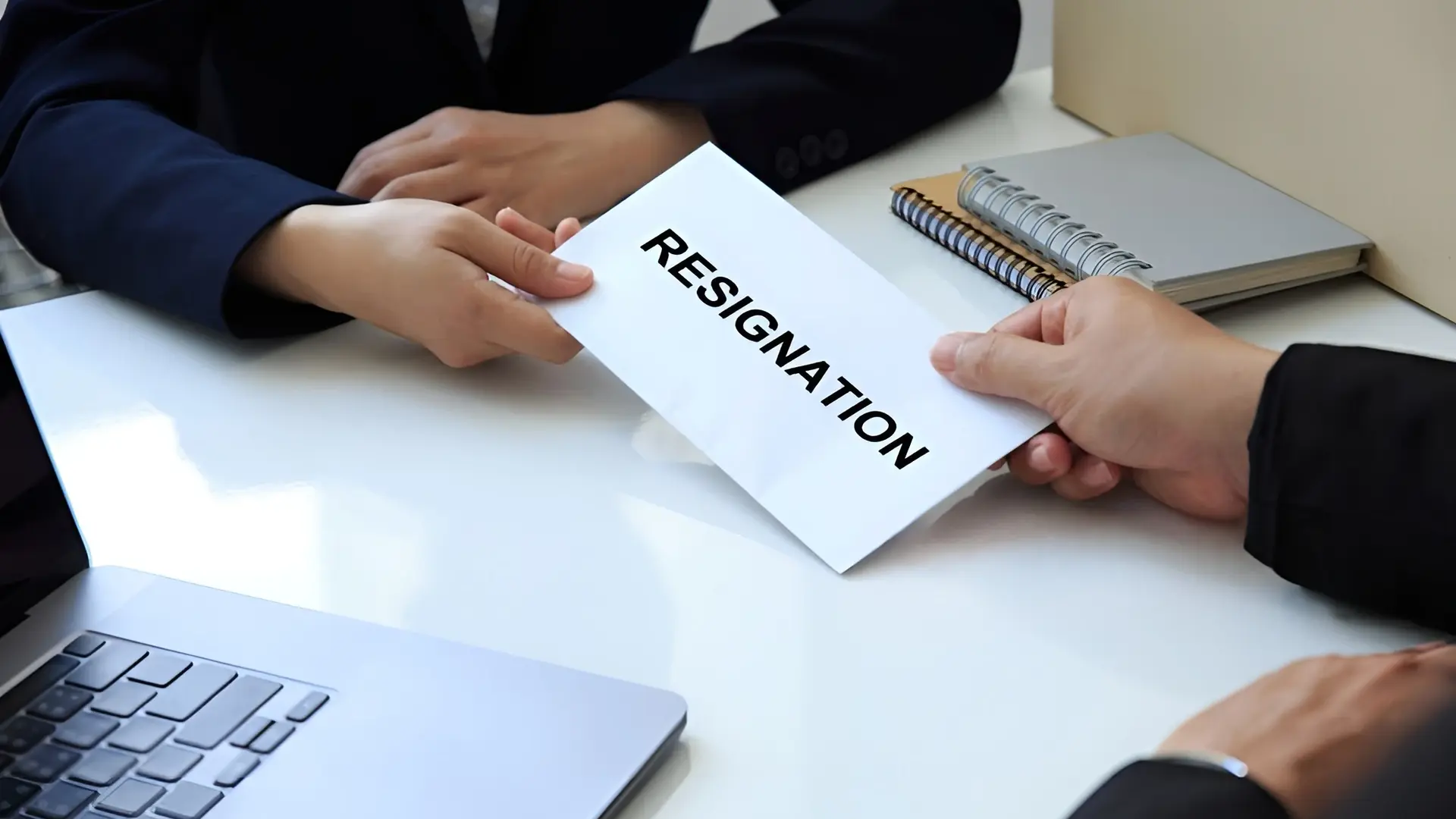
Following a structured resignation process helps you leave professionally while maintaining positive relationships with your employer and colleagues.
1. Review Your Employment Contract
Before you say a word to anyone, pull up your employment contract or offer letter. Check your required notice period, any resignation policies specific to your company, what happens to unused vacation days, how your final paycheck will be calculated, and whether your benefits (like health insurance) continue after your last day. Skipping this step is one of the most common reasons employees run into disputes after resigning.
2. Choose the Right Time
Timing your resignation well shows professionalism. Where possible, avoid resigning in the middle of a major crisis, product launch, or company emergency, since this can damage the goodwill you’ve built. Instead, schedule a private meeting with your manager, and prepare what you want to say in advance so the conversation stays calm and clear.
3. Tell Your Manager First
Your manager should always hear the news directly from you, not through office gossip or a company-wide email. Depending on your setup, this could mean an in-person meeting, a video call, or a phone call if you’re a remote employee. Avoid resigning over Slack or text message unless there’s genuinely no other option.
4. Write a Professional Resignation Letter
A resignation letter doesn’t need to be long, but it should clearly state that you’re resigning, your final working day, a note of appreciation for the opportunity, and an offer to help with the transition if possible. Keep the tone warm and professional rather than emotional, even if your reasons for leaving are complicated.
5. Give Proper Notice
The standard notice period in most industries is two weeks, though your contract may specify something different. Some roles, especially senior or specialized positions, may require thirty days or more. In rare cases, such as workplace harassment or safety concerns, leaving without full notice may be justified, but it should still be handled as professionally as circumstances allow.
6. Finish Strong
How you spend your final days often shapes how you’re remembered. Use this time to document your ongoing projects, prepare handover notes, help train your replacement if one is available, and return company property such as laptops, ID badges, and access cards. A strong finish makes it far easier to request a reference later.
How to Quit Your Job Gracefully
Leaving gracefully is less about grand gestures and more about consistency. Stay positive in every conversation about your departure, avoid workplace gossip, and take the time to thank colleagues who supported you along the way.
Remaining professional right up to your last hour, maintaining your LinkedIn connections, and preserving your references are small habits that pay off years down the line, especially if you ever cross paths with former colleagues in future roles or during your next job interview.
How to Quit a Job You Just Started
Sometimes, you realize early on that a new role isn’t what you expected. If that happens, you can still resign professionally and maintain a positive relationship with your employer.
Realizing a new job isn’t the right fit within the first few weeks can feel awkward, but it’s more common than many people think. If the position genuinely isn’t working out, be honest with your manager about your decision, keep your resignation brief instead of over-explaining, and leave as respectfully as you would from a role you’d held for years.
Common reasons people quit a job soon after starting include a mismatch between the role and what was promised, a family emergency, an unexpected better opportunity, or relocation. Whatever the reason, a short and respectful conversation is usually all that’s needed.
Common Mistakes to Avoid When Quitting

Avoid these common resignation mistakes:
- Leaving without giving proper notice
- Posting negative comments about your employer online
- Arguing with your manager before leaving
- Walking away without formally resigning
- Ignoring your employment contract
- Burning bridges with coworkers
- Forgetting to complete HR paperwork
- Failing to return company equipment
What Happens After You Quit?
After completing your resignation, there are a few important administrative steps and workplace processes you can expect before officially leaving the company.
Once you’ve resigned, you can typically expect the following:
- Receive your final paycheck (timing depends on company policy and local employment laws).
- Confirm when your employee benefits will end.
- Participate in an exit interview if your employer requests one.
- Receive references or employment verification for future job applications, where applicable.
- Collect any required tax documents or employment records.
- Receive payment for unused leave if your employment contract or company policy provides it.
Understanding these steps ahead of time can help you prepare for a smooth transition, especially if you’re searching for a new job, exploring remote work opportunities, or negotiating your next salary.
FAQs
No. In most cases, an employer cannot refuse your resignation. However, you are generally expected to follow the notice period or resignation terms outlined in your employment contract.
Two weeks’ notice is common in many workplaces, but it’s not always legally required. Check your employment contract or company policy to understand the notice period that applies to your role.
It’s best to inform your manager first. Once your resignation has been accepted, you can share the news with coworkers professionally and positively.
In-person or video resignation is generally preferred, since it shows respect and allows for a real conversation. A resignation email or letter should follow as written confirmation, but it shouldn’t be the only way your manager learns the news.
While some employers accept verbal resignations, submitting a written resignation letter creates a clear record of your decision and confirms your final working day.